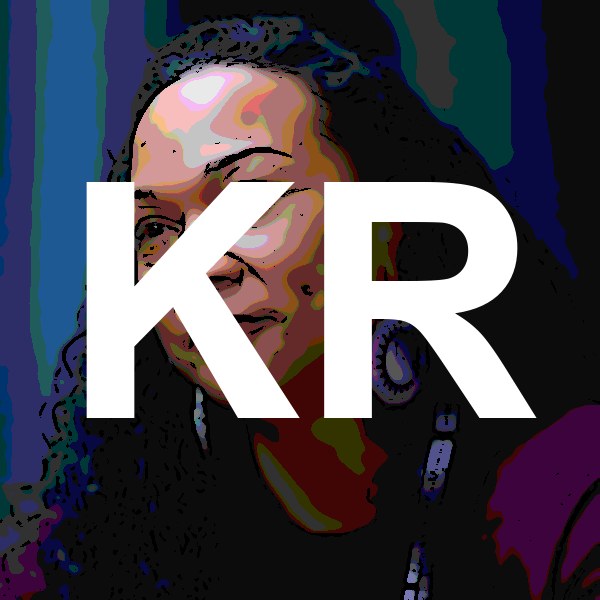
KALI REIS
Cape Verdean, Native American (Wampanoag, Nipmuc, Cherokee)
Quick Facts
▶ Watch
Kali Reis — heritage & background
Kali Reis Ethnicity, Race & Heritage: The Boxer's Cape Verdean and Indigenous American Roots
Quick answer: Kali Reis is of Cape Verdean and Native American (Wampanoag/Nipmuc tribe) descent. Her father, Frank Reis, was Cape Verdean, and her mother brought Native American heritage from her family line. She is a proud advocate for her Afro-Indigenous identity and is the first Indigenous woman to become a world champion boxer.
Is Kali Reis Mixed Race?
Yes, Kali Reis is mixed race and proudly embraces her Afro-Indigenous heritage. She is the child of a Cape Verdean father and a Native American mother, making her both Afro-Caribbean and Indigenous American. This dual heritage places her at the intersection of two historically marginalized communities in the United States.
Kali Reis has been vocal about the complexity of her mixed identity, describing herself as "bi-racial and mixed Cape Verdean." She has explained that many people don't understand what Cape Verdean identity means, particularly the blend of African and Portuguese colonial heritage that characterizes Cape Verdean culture. Additionally, her Native American heritage connects her to the Seaconke Wampanoag Tribe, making her part of a lineage of Indigenous peoples with deep roots in New England.
Her mother gave her the name "Mequinonoag," which Kali translates as "many feathers" or "many talents," reflecting her mother's intention to honor their Indigenous heritage and her daughter's multifaceted identity. This name has become part of Kali's professional boxing identity, appearing as part of her full name: Kali Mequinonoag Reis.
So to answer the most-searched questions directly: Yes, Kali Reis is mixed race with Cape Verdean and Native American heritage; she proudly identifies as Afro-Indigenous; her parents are from distinctly different ethnic backgrounds; and her mixed identity is central to her advocacy work and public persona.
What Is Kali Reis's Ethnicity?
Kali Reis's ethnicity encompasses Cape Verdean heritage from her paternal side and Native American heritage from her maternal side, creating a unique Afro-Indigenous identity. Cape Verde is an archipelago located off the coast of West Africa, specifically near Senegal, making Cape Verdean heritage distinctly African. However, Cape Verdean identity is complicated by centuries of Portuguese colonization, resulting in a Creole culture that blends African, Portuguese, and other European influences.
The Native American component of Kali's ethnicity includes membership in the Seaconke Wampanoag Tribe and heritage from the Nipmuc and Cherokee nations. The Wampanoag people have deep historical roots in New England, particularly in the Massachusetts/Rhode Island area, which connects directly to Kali's birthplace of Providence, Rhode Island. Her mother was among the first generation in her family line able to openly claim and practice Wampanoag identity, as previous generations had been pressured to hide their Native American heritage due to societal discrimination.
Kali's ethnicity makes her historically significant: she is the first Indigenous woman to become a world champion boxer, and in 2024, she became the first Native American woman nominated for a Primetime Emmy for acting. Her Afro-Indigenous identity positions her as a bridge between two communities often treated as separate in American discourse.
Father's Side: Cape Verdean Heritage
Kali's father, Frank Reis, brought Cape Verdean heritage to the family. Cape Verde, an independent island nation off the coast of West Africa, has a unique cultural and ethnic identity shaped by centuries of Portuguese colonization and African heritage. Cape Verdeans are typically of mixed African and European descent, with the specific mix varying by island and family history.
Providence, Rhode Island, where Kali was born, is home to one of the largest Cape Verdean communities in New England, making the city a cultural hub for Cape Verdean-Americans. The Cape Verdean presence in Providence dates back generations, with significant immigration waves occurring in the early 20th century. Frank Reis was part of this diaspora community, contributing to the rich cultural fabric of the city.
Cape Verdean heritage brings with it a distinctive cultural identity that blends African traditions with Portuguese colonial influences, resulting in unique music, food, language, and spiritual practices. The Cape Verdean Creole language (Kriolu) is widely spoken among community members and represents an important marker of cultural identity. Frank Reis's heritage provided Kali with connections to this diaspora community and to the broader Cape Verdean experience in America.
Mother's Side: Native American (Wampanoag) Heritage
Kali's mother brought Native American heritage from the Wampanoag, Nipmuc, and possibly Cherokee nations. The Wampanoag people have inhabited the New England region for thousands of years, with particular presence in what is now Massachusetts and Rhode Island. The Wampanoag are historically significant as the people who interacted with English colonists at Plymouth in the 17th century, though their history extends far beyond this colonial narrative.
Kali's mother was among the first generation in her family able to openly identify as Wampanoag after generations of forced assimilation and erasure. Many Native American families in New England, including the Wampanoag, experienced systemic pressure to hide their heritage due to historical discrimination and governmental policies aimed at erasing Indigenous identity. Kali's mother reclaimed this heritage and passed it to her daughter, giving Kali the name "Mequinonoag" as a deliberate assertion of Indigenous pride.
The Nipmuc people, another part of Kali's heritage, are also rooted in the New England region, with traditional territories in central Massachusetts. The combination of Wampanoag and Nipmuc heritage connects Kali to the oldest continuous civilizations in the northeastern United States. This maternal heritage represents resilience, cultural recovery, and the reclamation of Indigenous identity in the face of historical erasure.
Grandparents: A Complete Picture
Paternal Grandfather: Frank Reis's father — Cape Verdean heritage (specific details not widely documented)
Paternal Grandmother: Frank Reis's mother — Cape Verdean heritage (specific details not widely documented)
Maternal Grandfather: Kali's maternal grandfather — Native American heritage (Wampanoag/Nipmuc lineage)
Maternal Grandmother: Kali's maternal grandmother — Native American heritage (Wampanoag/Nipmuc lineage); she was among the first generation able to openly practice Wampanoag traditions after decades of forced secrecy
Kali's four grandparents represent the convergence of Cape Verdean-African and New England Indigenous lineages. Her paternal grandparents connected her to the island heritage of Cape Verde and the diaspora experience of African peoples in the Americas. Her maternal grandparents connected her to the ancient and continuously inhabited lands of New England and the Wampanoag nation's long history.
Kali Reis in Their Own Words on Heritage
Kali Reis has been vocal and eloquent about her mixed Afro-Indigenous heritage, describing herself as having "two rooms I can stand in." She has emphasized the importance of her Cape Verdean heritage and her Native American identity, refusing to separate these aspects of who she is. In interviews, she has explained the challenges of navigating an identity that doesn't fit neatly into standard racial categories.
Kali has spoken about her mother giving her the name "Mequinonoag" and has incorporated this into her professional identity as a boxer and actress. She has been an advocate for Indigenous representation in entertainment and sports, using her platform to highlight the Missing and Murdered Indigenous Women and Girls (MMIWG) movement. Her 2024 role in "True Detective: Night Country," where she played Evangeline Navarro (a character with Indigenous heritage), was significant not only for her breakthrough acting performance but also for the representation it provided for Native American actors and stories.
Is Kali Reis Alive?
Yes, Kali Reis is alive as of 2026. She was born on November 12, 1988, and is currently 37 years old. She continues to be active in both professional boxing and acting, pursuing her career as an athlete, actress, and cultural advocate. She also founded and operates Glovewear, a boxing accessories brand.
Visual Family Tree
KALI MEQUINONOAG REIS
(Cape Verdean & Wampanoag/Nipmuc) b. November 12, 1988, Providence, RI
FRANK REIS
(Cape Verdean)
[PATERNAL GRANDFATHER]
Cape Verdean
[PATERNAL GRANDMOTHER]
Cape Verdean
NATIVE AMERICAN MOTHER
(Wampanoag/Nipmuc heritage)
[MATERNAL GRANDFATHER]
Wampanoag/Nipmuc
[MATERNAL GRANDMOTHER]
Wampanoag/Nipmuc
Sources
EthniCelebrity Research Team
Ethnicity & Heritage Writers
Our team specialises in researching and documenting the ethnic backgrounds, nationality, and ancestry of public figures — drawing on genealogical records, interviews, and verified biographical sources.