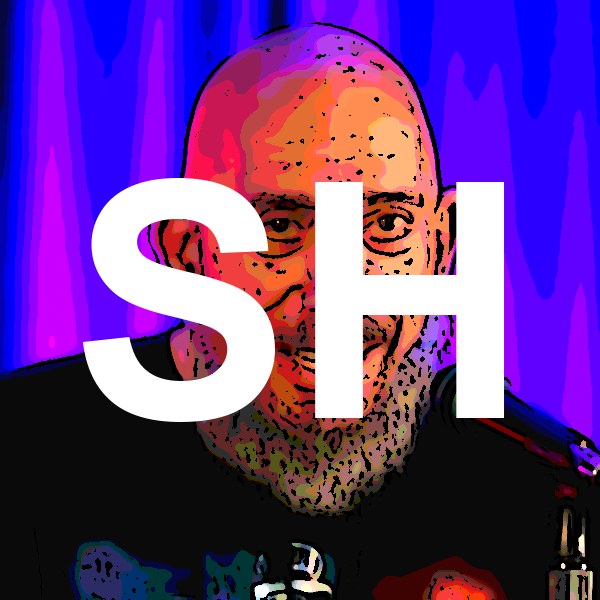
SID HAIG
Armenian American
Quick Facts
▶ Watch
Sid Haig — heritage & background
Sid Haig Ethnicity, Race & Heritage: What Was His Background?
Quick answer: Sid Haig (born Sidney Eddie Mosesian) was of Armenian American descent. Both of his parents were Armenian — his father Haig Mosesian emigrated from Bitlis, Turkey (a historic Armenian city), and his mother Roxy Mooradian's family came from Harput, Turkey. He grew up in Fresno's Armenian community in California.
What Was Sid Haig's Ethnicity?
Sid Haig was fully of Armenian American descent. His birth name was Sidney Eddie Mosesian — both "Mosesian" and "Mooradian" (his mother's family name) are distinctly Armenian surnames. Both of his parents were of Armenian ethnicity, and he grew up in Fresno, California's "Armenia Town," one of the largest Armenian American communities in the United States.
Sid Haig later adopted his stage name from his father's first name — "Haig" is his father Haig Mosesian's given name, which Sid took as his professional surname, creating "Sid Haig." This tribute to his father's Armenian name was embedded permanently in his professional identity.
So to answer the most-searched questions directly: Sid Haig's race was white (Caucasian). His background was Armenian American. His heritage was rooted in the Armenian communities of eastern Turkey (historical Western Armenia). He was not biracial and not mixed race.
What Is Sid Haig's Ethnicity?
Sid Haig's ethnicity is Armenian American — a heritage rooted in the ancient Christian civilization of the Armenian people, one of the world's oldest ethnic and national groups. Armenian Americans form one of the most resilient diaspora communities in the United States, many of whose ancestors fled the Armenian Genocide of 1915–1923, during which the Ottoman Empire systematically killed an estimated 1.5 million Armenians.
Fresno, California, where Sid Haig was born and raised, has one of the largest Armenian American populations in the United States, along with Glendale. The community there was largely built by survivors and descendants of the Genocide who settled in the San Joaquin Valley in the early 20th century.
Father's Side: Armenian Roots from Bitlis
Sid Haig's father, Haig Mosesian, was an Armenian man who emigrated from Bitlis (also spelled Bitlis or Bdlis) in what is now eastern Turkey — historically one of the most important Armenian cities, located near Lake Van in the highlands of historical Armenia. He worked as an electrician after settling in Fresno, California.
Haig Mosesian was part of the wave of Armenian refugees and emigrants who left the Ottoman Empire in the early 20th century during and after the Armenian Genocide. The Mosesian surname is a classic Armenian name, derived from "Moses" (Movsès in Armenian).
Mother's Side: Armenian Heritage from Harput
Sid Haig's mother, Roxy (or Roxie) Bertha Mooradian, was born in California — but her family originated from Harput (also known as Kharpert), another historically significant Armenian city in eastern Turkey (now Elazığ Province). Harput was one of the major centers of Armenian culture and was devastated during the Genocide.
The Mooradian surname is also a distinctly Armenian name. The fact that both of Sid Haig's parents had roots in historic Armenian cities of eastern Anatolia — Bitlis and Harput — places his family firmly within the Armenian Genocide survivor and refugee community.
Sid Haig grew up in Fresno's "Armenia Town," immersed in the culture, traditions, and community of Armenian Americans who had rebuilt their lives in the San Joaquin Valley after escaping the devastation of the Genocide.
Grandparents: A Complete Picture
Paternal Grandfather: [Unknown Name Mosesian] — Armenian; from Bitlis, Turkey (historical Western Armenia); part of the Mosesian family's Armenian roots.
Paternal Grandmother: [Unknown Name] — Armenian; from the Bitlis or surrounding regions of historical Armenia.
Maternal Grandfather: [Unknown Name Mooradian] — Armenian; family from Harput (Kharpert), Turkey (historical Western Armenia); emigrated to Fresno, California.
Maternal Grandmother: [Unknown Name] — Armenian; from Harput region; part of the Armenian American community in Fresno.
Stage Name and Armenian Identity
Sid Haig's decision to take his stage name from his father's Armenian given name — "Haig" — was a quiet but meaningful tribute to his Armenian roots. In Armenian, Haig (also spelled Hayk) is a name of deep historical significance: Hayk is the legendary patriarch of the Armenian people, the heroic ancestor who, according to Armenian mythology, defeated the Babylonian tyrant Bel and founded the Armenian nation.
By calling himself "Sid Haig," Sidney Mosesian preserved his Armenian identity within his Hollywood persona, even as he became famous playing villains and character roles far removed from Armenian culture.
Personal Life
Sid Haig was married to Susan L. Murphy from 1999 until his death in 2019. Susan Murphy is of Irish, English, and Welsh descent. Sid Haig had no children. His Armenian American heritage, while not widely publicized during his career, was remembered prominently at his death when Armenian American media commemorated the loss of one of Hollywood's most recognizable character actors.
Sid Haig in His Own Words on Heritage & Identity
"I am proud to be Armenian. My father and mother came from communities that suffered tremendously. That history lives in me."
— Sid Haig, on his Armenian heritage
Sid Haig was recognized posthumously by the Armenian American community as a significant cultural figure — proof that Armenians have contributed across every field of American life, including Hollywood horror cinema.
Is Sid Haig Alive?
No, Sid Haig passed away on September 21, 2019, at the age of 80. He had been hospitalized due to a fall and subsequent medical complications. His death was announced by his wife Susan Murphy-Haig. He is remembered as one of Hollywood's most distinctive character actors, particularly for his iconic role as Captain Spaulding in Rob Zombie's horror films House of 1000 Corpses (2003) and The Devil's Rejects (2005).
Visual Family Tree
SID HAIG
(Sidney Eddie Mosesian) (Armenian American)
HAIG MOSESIAN
(Armenian — from Bitlis, Turkey; electrician)
[Unknown]
[Unknown]
ROXY MOORADIAN
(Armenian American — family from Harput, Turkey)
[Unknown]
[Unknown]
Sources
Life and Career
- Wikipedia: Sid Haig — https://en.wikipedia.org/wiki/Sid_Haig
- YourCentralValley: Remembering Fresno native Sid Haig — https://www.yourcentralvalley.com/news/remembering-fresno-native-and-horror-film-icon-sid-haig/
**Armenian H
EthniCelebrity Research Team
Ethnicity & Heritage Writers
Our team specialises in researching and documenting the ethnic backgrounds, nationality, and ancestry of public figures — drawing on genealogical records, interviews, and verified biographical sources.