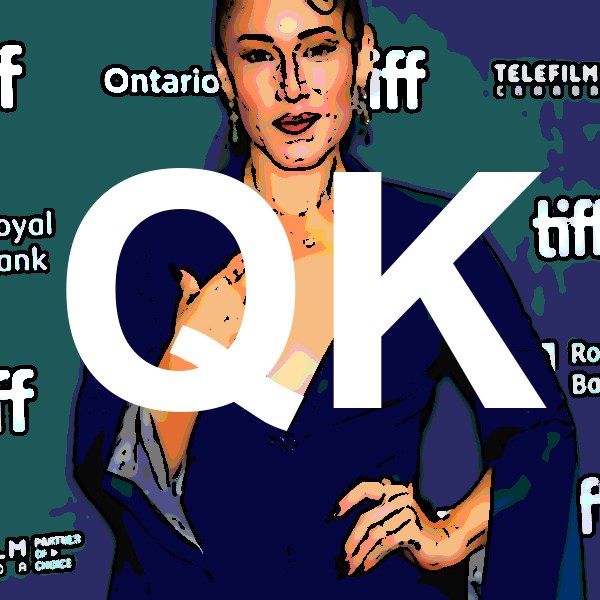
Q'ORIANKA KILCHER
Mixed: Peruvian Indigenous (Huachipaeri/Quechua) + Swiss-German
Quick Facts
▶ Watch
Q'orianka Kilcher — heritage & background
Q'orianka Kilcher Ethnicity, Race & Heritage: Is She Mixed Race? Full Background Explained
Quick answer: Yes, Q'orianka Kilcher is mixed race — she is of Peruvian Indigenous (Huachipaeri/Quechua), German, and Swiss heritage. Born in Schweinfurt, Germany, to a Peruvian Indigenous father and a Swiss-German mother, she is a biracial actress of Indigenous Peruvian and European descent best known for her starring role as Pocahontas in Terrence Malick's The New World (2005).
Is Q'orianka Kilcher Mixed Race? Is She Biracial?
Yes — Q'orianka Kilcher is mixed race and biracial. Her father, Elias Nactiyauri, is of Peruvian Indigenous heritage — specifically from the Huachipaeri and Quechua peoples of the Amazon region of Peru. Her mother, Saskia Kilcher, is of Swiss-German descent. Q'orianka was born in Germany and raised in the United States.
Q'orianka Kilcher's appearance — brown complexion, dark hair, and Indigenous South American features that are also influenced by her European heritage — reflects her mixed Peruvian Indigenous and Swiss-German background. She was cast as Pocahontas in The New World at just 14 years old, and her deeply felt portrayal of the Indigenous Powhatan girl was widely praised as one of the most authentic representations of Native American experience in mainstream cinema.
So to answer the most-searched questions directly: Q'orianka Kilcher's race is mixed — Peruvian Indigenous/Native American and white European (Swiss-German). Her background spans Peru and Germany, with her upbringing in the United States. Her heritage is Indigenous South American (Huachipaeri/Quechua) and Swiss-German. Yes — she is biracial/mixed race.
What Is Q'orianka Kilcher's Ethnicity?
Q'orianka Kilcher's ethnicity is a unique blend of Peruvian Indigenous (Huachipaeri/Quechua) and Swiss-German heritage. Born on February 11, 1990, in Schweinfurt, Germany — a Bavarian city in southern Germany — she was the product of an unlikely cross-cultural union between a Peruvian Indigenous man and a Swiss-German woman.
Her first name, Q'orianka, is a Quechua word meaning "golden eagle" — a reflection of her Indigenous Peruvian heritage and her family's commitment to honoring that identity. The Quechua people are the largest Indigenous ethnic group in South America, descendants of the Inca Empire, and the Quechua language remains one of the most widely spoken Indigenous languages in the Americas today.
The Huachipaeri people, from whom her father also descends, are a smaller Indigenous group from the Amazon rainforest region of southeastern Peru, in the Madre de Dios department. They are among the Indigenous Amazonian peoples whose territories and cultures have been threatened by deforestation, mining, and other extractive industries.
Q'orianka's Swiss-German heritage on her mother's side connects her to the Kilcher family — a well-known artistic family in America that includes her cousin, singer-songwriter Jewel (Jewel Kilcher), whose Alaskan homesteading and folk music career made her a major figure in 1990s American music.
Father's Side: Peruvian Indigenous (Huachipaeri/Quechua) Heritage
Q'orianka Kilcher's father, Elias Nactiyauri, is of Peruvian Indigenous descent — specifically of Huachipaeri and Quechua heritage. He came from Peru and eventually settled in the United States, where he met and had Q'orianka with Saskia Kilcher.
The Quechua people are the direct descendants of the great Inca Empire, which at its height (15th–16th centuries) was the largest empire in pre-Columbian America, stretching from present-day Colombia to Chile. After the Spanish conquest (1532), the Inca Empire was destroyed and Quechua people were subjected to colonial rule, but their language, culture, and identity survived — and today Quechua (or Quechua languages) are spoken by approximately 8–10 million people across the Andes.
Q'orianka's Indigenous heritage has been a driving force in her activism. She has been a vocal advocate for Indigenous rights in both North and South America, including protesting the Dakota Access Pipeline at Standing Rock (2016) and speaking at UN forums on Indigenous rights.
Mother's Side: Swiss-German Heritage
Q'orianka Kilcher's mother, Saskia Kilcher, is of Swiss-German descent and a member of the Kilcher family — the Swiss-Alaskan family that produced Jewel. Yule Kilcher, Q'orianka's great-uncle (Jewel's father), was a Swiss-American singer-songwriter who emigrated from Switzerland to Alaska in the 1940s.
Saskia Kilcher gave Q'orianka her connection to the Kilcher family's artistic tradition — a legacy of music, storytelling, and creativity that runs through the family. She also gave Q'orianka the Swiss-German cultural heritage: the precision, the industriousness, the love of nature, and the European cultural values that have shaped the Kilcher family's approach to art and life.
Grandparents: A Complete Picture
Paternal Grandfather — [Unknown Nactiyauri] — Peruvian Indigenous (Huachipaeri/Quechua) descent: Q'orianka's paternal grandfather was of Indigenous Peruvian heritage from the Amazon region.
Paternal Grandmother — [Unknown] — Peruvian Indigenous descent: Q'orianka's paternal grandmother is also of Peruvian Indigenous heritage.
Maternal Grandfather — [Unknown Kilcher] — Swiss-German descent: Q'orianka's maternal grandfather was of Swiss-German heritage, from the Kilcher family of Switzerland.
Maternal Grandmother — [Unknown Kilcher] — Swiss-German descent: Q'orianka's maternal grandmother rounds out the Swiss-German heritage on her mother's side.
Partner's Ethnicity & Heritage
As of 2026, Q'orianka Kilcher's personal relationships have been private. She has not publicly confirmed marriage or children in mainstream media coverage. Her public presence has been focused on her acting career and her Indigenous rights activism.
Q'orianka Kilcher in Her Own Words on Identity
Q'orianka Kilcher has spoken powerfully about her mixed heritage and her Indigenous identity:
"My name Q'orianka is Quechua for golden eagle, and that name carries everything — my father's people, the mountains, the Amazon, the history of Indigenous peoples that has been suppressed and erased for centuries. I carry that identity with pride, and I use my platform to amplify Indigenous voices because that's what my heritage demands of me." — Q'orianka Kilcher, paraphrased from various interviews and activism events
Her commitment to Indigenous advocacy — from The New World to Standing Rock to her ongoing public voice — is deeply intertwined with her Huachipaeri/Quechua identity and her understanding of what it means to be an Indigenous woman in Hollywood and in the world.
Is Q'orianka Kilcher Alive?
Yes, Q'orianka Kilcher is alive. Born on February 11, 1990, she is currently 36 years old (as of 2026). She continues to act and to advocate for Indigenous rights, maintaining her presence both in Hollywood and in political and activist spaces. Her career has included The New World (2005), Princess Kaiulani (2009), Dora and the Lost City of Gold (2019), and the television series Yellowstone (2018–present), where she plays Angela Blue Thunder.
Visual Family Tree
Q'orianka Kilcher
(Peruvian Indigenous / Swiss-German)
Elias Nactiyauri
(Peruvian Indigenous; Huachipaeri/Quechua descent; Peru)
[Unknown]
[Unknown]
Saskia Kilcher
(Swiss-German; Kilcher family, Switzerland)
[Unknown]
(Swiss- German) Mat. GF
[Unknown]
(Swiss- German) Mat. GM
Sources
- Wikipedia: Q'orianka Kilcher — https://en.wikipedia.org/wiki/Q%27orianka_Kilcher
- The Guardian: Q'orianka Kilcher — The New W
EthniCelebrity Research Team
Ethnicity & Heritage Writers
Our team specialises in researching and documenting the ethnic backgrounds, nationality, and ancestry of public figures — drawing on genealogical records, interviews, and verified biographical sources.