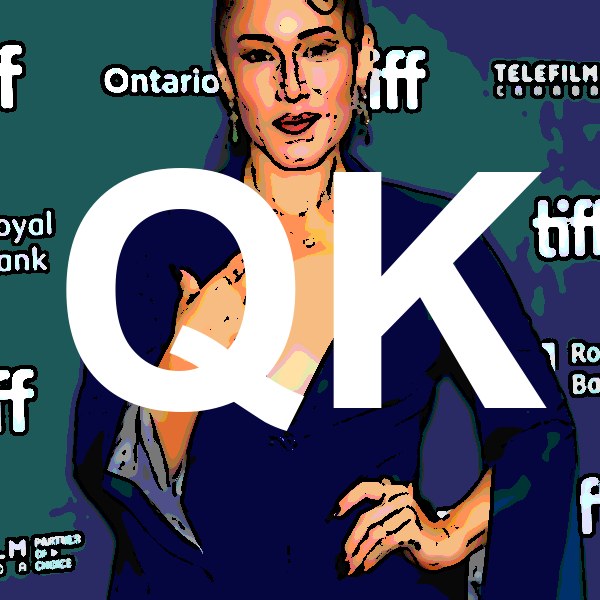
Q'ORIANKA KILCHER
Huachipaeri/Quechua Peruvian / German-Swiss / German-American
Quick Facts
▶ Watch
Q'orianka Kilcher — heritage & background
Q'orianka Kilcher Ethnicity, Race & Heritage: Is She Native American? Full Background Explained
Quick answer: Yes, Q'orianka Kilcher is part Native American — specifically Huachipaeri (a Peruvian indigenous people) and Quechua on her father's side. Her father, Heino Kilcher, is of Swiss-German and Peruvian indigenous ancestry, while her mother, Sasha Kilcher, is of German-American descent. Born in Germany and raised in Hawaii and California, Q'orianka is best known for playing Pocahontas in The New World (2005).
Is Q'orianka Kilcher Mixed Race? Is She Biracial?
Yes — Q'orianka Kilcher is mixed race and multiracial. Her father, Heino Kilcher, is of Swiss-German descent and Huachipaeri/Peruvian indigenous ancestry. Her mother, Sasha Kilcher, is of German-American descent. This gives Q'orianka a heritage that spans Central Europe (Switzerland and Germany) and the indigenous peoples of the Peruvian Amazon.
Her father's background connects her to the Kilcher family, a prominent Swiss-American artistic family (her aunt is singer Jewel, and her grandfather was the famous Swiss-American singer/songwriter Yule Kilcher). The indigenous Peruvian heritage comes through Heino's mother's side, giving Q'orianka a genuine claim to Native heritage — not of North American nations, but of the indigenous peoples of Peru.
So to answer the most-searched questions directly: Q'orianka Kilcher's race is mixed — indigenous Peruvian (Huachipaeri/Quechua) and European (Swiss-German and German-American). Her background is Native Peruvian and European. And yes — she is mixed race.
What Is Q'orianka Kilcher's Ethnicity?
Q'orianka Kilcher's ethnicity is a blend of indigenous Peruvian (Huachipaeri and Quechua) and European (Swiss-German and German-American) heritage. This is a rare and genuinely distinctive combination in Hollywood.
The Huachipaeri are an indigenous people of the Peruvian Amazon, living in the Madre de Dios region of southeastern Peru. They are part of the broader Harakmbut language group and have a rich cultural tradition connected to the Amazon rainforest. Q'orianka's name itself — Q'orianka — is a Quechua name meaning "golden eagle," reflecting her indigenous Peruvian heritage. Quechua is the language family of the Inca civilization and remains one of the most widely spoken indigenous language families in South America.
Her European heritage comes through both her father's Swiss-German background and her mother's German-American ancestry. The Kilcher family is particularly well-known: Q'orianka's grandfather, Yule Kilcher, was a Swiss immigrant who became an iconic Alaskan homesteader and singer, and her aunt is Grammy Award-winning singer Jewel (Jewel Kilcher).
Father's Side: Swiss-German & Indigenous Peruvian Roots
Q'orianka's father is Heino Kilcher, son of Atz Kilcher (who is the son of Yule Kilcher, the Swiss immigrant patriarch). This makes Q'orianka part of the famous Kilcher family — a multigenerational Alaskan family known for music, art, and adventure (documented in the Discovery Channel series Alaska: The Last Frontier).
Yule Kilcher, Q'orianka's great-grandfather, was born in Zurich, Switzerland, and immigrated to Alaska in 1941, homesteading near Homer, Alaska. He passed his Swiss heritage and pioneer spirit to his descendants.
The indigenous Peruvian component comes through the Peruvian side of Heino's background — connecting Q'orianka to the Huachipaeri people of Peru's Amazon region. This indigenous heritage is what makes Q'orianka's casting as Pocahontas in The New World (2005) — though Pocahontas was a North American Powhatan woman — particularly resonant: director Terrence Malick sought an actress with authentic indigenous heritage, and Q'orianka's Peruvian indigenous roots made her the ideal candidate.
Mother's Side: German-American Heritage
Q'orianka's mother is Sasha Kilcher (née Shae), of German-American descent. Sasha's German-American background represents the European side of Q'orianka's heritage from her mother's line.
German-Americans are the largest self-reported ancestral group in the United States, and their cultural influence on American life has been enormous — from the names and customs embedded in everyday American life to the communities that shaped the Midwest and other regions. Sasha's German-American heritage adds another European thread to Q'orianka's multicultural background.
Grandparents: A Complete Picture
Paternal Grandfather — Atz Kilcher: Son of Yule Kilcher (Swiss immigrant) and Ruthann Kilcher. Atz is an Alaskan country singer and rancher, father of both Heino Kilcher and the singer Jewel. He represents the Swiss-Alaskan Kilcher family tradition.
Paternal Grandmother — [Peruvian heritage]: Q'orianka's paternal grandmother on Heino's mother's side carries the indigenous Peruvian (Huachipaeri/Quechua) heritage that Q'orianka traces her indigenous ancestry through.
Great-Grandfather — Yule Kilcher: Born in Zurich, Switzerland, in 1921. Immigrated to Alaska in 1941. A pioneering homesteader and Swiss-American singer who co-wrote the folk standard "Some Day Soon." His Swiss-German origins are the foundation of the European side of the Kilcher family heritage.
Maternal Grandparents — [German-American descent]: Sasha's parents, of German-American heritage. Specific details are not publicly documented.
Nationality vs. Ethnicity
Q'orianka Kilcher was born in Schweinfurt, Bavaria, Germany — making her German by birth. However, through her American parents, she holds American citizenship and has grown up primarily in the United States, living in Hawaii and California. Her nationality is American.
Her ethnicity tells a far more complex story: indigenous Peruvian (Huachipaeri/Quechua), Swiss-German, and German-American. She is a genuinely international figure whose heritage spans three continents — South America, Europe, and (culturally) North America.
She has been an active advocate for indigenous rights — particularly for indigenous peoples of the Americas — using her platform as an actress to speak out on issues ranging from Native American rights to environmental protection of indigenous lands.
Spouse & Children's Heritage
Q'orianka Kilcher is not publicly known to be married as of this writing, and has no publicly confirmed children. She has kept her personal life relatively private, focusing on her acting career and advocacy work.
Q'orianka Kilcher in Her Own Words on Race & Identity
Q'orianka Kilcher has been vocal about her indigenous heritage and its meaning in her life and career:
"My name — Q'orianka — is a Quechua name. It means golden eagle. That name is a connection to who I am, where I come from. The indigenous part of my identity is something I hold with tremendous pride and responsibility."
This reflects her active embrace of her Huachipaeri/Quechua heritage as central to her identity — not merely a biographical detail but a living connection to the indigenous peoples of Peru.
Is Q'orianka Kilcher Alive?
Yes, Q'orianka Kilcher is alive. Born February 11, 1990, she is currently 35 years old. She remains active as an actress and activist, with recent roles in Yellowstone (2018–present) as Angela Blue Thunder and credits in various film and television projects. She continues to advocate for indigenous rights and environmental causes and maintains an active social media presence.
Visual Family Tree
Q'ORIANKA KILCHER
(Peruvian Indigenous / Swiss-German / German-American)
HEINO KILCHER
(Swiss-German / Peruvian Indigenous)
ATZ KILCHER [Peruvian [Unknown]
(Alaskan/Swiss) Indigenous mother] German-Am.
SASHA KILCHER
(German-American)
[Unknown]
German-Am.
YULE KILCHER
(Swiss, born Zurich 1921, immigrated to Alaska 1941)
Sources
Genealogy & Ethnicity Research
- Q'orianka Kilcher — EthniCelebs.com — https://ethnicelebs.com/qorianka-kilcher
- Q'orianka Kilcher — Wikipedia — https://en.wikipedia.org/wiki/Q%27orianka_Kilcher
Family Background
- Kilcher family history — Yule Kilcher immigration records
EthniCelebrity Research Team
Ethnicity & Heritage Writers
Our team specialises in researching and documenting the ethnic backgrounds, nationality, and ancestry of public figures — drawing on genealogical records, interviews, and verified biographical sources.