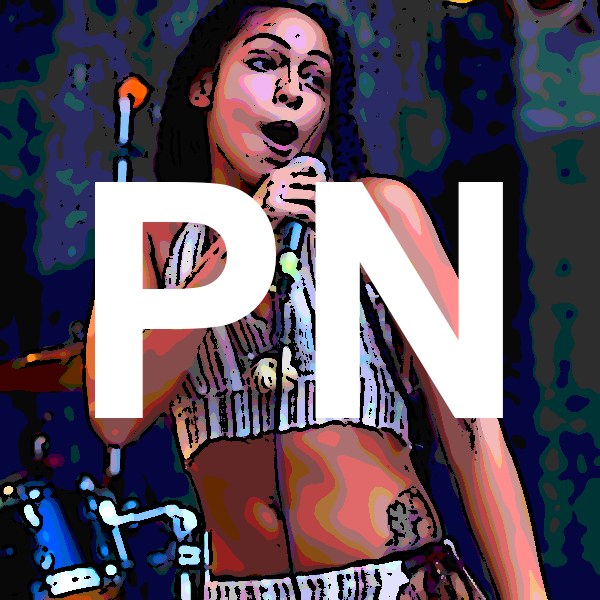
PRINCESS NOKIA
Afro-Puerto Rican (African, Spanish, Taíno indigenous)
Quick Facts
▶ Watch
Princess Nokia — heritage & background
Princess Nokia Ethnicity, Race & Heritage: Is She Afro-Puerto Rican? Full Background Explained
Quick answer: Yes, Princess Nokia is Afro-Puerto Rican. Born Destiny Frasqueri on April 14, 1992, in New York City, she is of Puerto Rican heritage with African and Taíno indigenous roots — the complex Afro-Caribbean mix that is central to Puerto Rican identity. She has been an outspoken advocate for Afro-Latinx identity and indigenous Caribbean heritage throughout her career.
Is Princess Nokia Mixed Race? Is She Biracial?
In the broader sense, yes — Princess Nokia is of mixed heritage, but that mixing happened generations ago in the specific way that defines the Puerto Rican people. Puerto Rican ethnic identity is typically a blend of Spanish colonial heritage, West African heritage (from enslaved Africans brought to the island), and the indigenous Taíno people who originally inhabited the island.
Princess Nokia identifies specifically as Afro-Puerto Rican and has also claimed Taíno indigenous heritage — both of which are central to her artistic identity and political advocacy. She does not have parents from two distinctly different racial groups in the conventional biracial sense; rather, her Puerto Rican heritage is itself a multicultural inheritance.
So to answer the most-searched questions directly: Princess Nokia's race is Afro-Puerto Rican (Latina with African heritage). Her background is Puerto Rican with specific Afro-Caribbean and Taíno roots. Her heritage encompasses African, Spanish, and indigenous Caribbean ancestry through the Puerto Rican lineage. And yes — in the broad sense, she is of mixed heritage through her Puerto Rican identity.
What Is Princess Nokia's Ethnicity?
Princess Nokia's ethnicity is Afro-Puerto Rican — a specific and distinct identity within the broader Latinx category. Puerto Rico is an island in the Caribbean that was inhabited by the Taíno people before Spanish colonization in 1493. The Spanish colonial period brought European settlers and enslaved Africans (primarily from West and Central Africa) to the island, producing the distinctive Afro-Caribbean mestizo culture that characterizes Puerto Rican identity today.
Princess Nokia has been particularly outspoken about the African and Taíno components of her Puerto Rican heritage. In her music and interviews, she has actively reclaimed these roots at a time when many Latinos across the Caribbean have historically minimized or denied African or indigenous ancestry. Her album 1992 Deluxe (2017) and her song "Brujas" — which celebrates Afro-Cuban and indigenous spiritual traditions — are direct expressions of this heritage.
She grew up in New York City, which has the largest Puerto Rican population outside of Puerto Rico itself. The New York Puerto Rican community (Nuyoricans) has its own distinct cultural identity, combining Puerto Rican heritage with the New York urban experience.
Father's Side: Puerto Rican Heritage
Princess Nokia's father is of Puerto Rican heritage. She has spoken about a difficult childhood, including being placed in foster care in New York City, and her parents are not extensively documented in public sources. What is established is her Puerto Rican heritage and the Afro-Caribbean roots that come through both sides of her family.
Puerto Rican fathers' backgrounds typically reflect the island's diverse ethnic heritage — the blend of African, Spanish, and Taíno ancestry that characterizes the Puerto Rican people.
Mother's Side: Puerto Rican Heritage
Princess Nokia's mother is also of Puerto Rican descent. Princess Nokia has spoken about her mother's death and about growing up without a stable parental home, being placed in foster care in New York City as a child. These experiences — loss, displacement, resilience — have deeply shaped her music and public persona.
Her Puerto Rican heritage through both parents gives her a firm root in the Afro-Caribbean world, and her advocacy for Afro-Latinx representation is grounded in this personal and familial history.
Grandparents: A Complete Picture
Paternal Grandfather — [Unknown Name]: Puerto Rican descent, with the Afro-Caribbean heritage typical of Puerto Rican families.
Paternal Grandmother — [Unknown Name]: Puerto Rican descent.
Maternal Grandfather — [Unknown Name]: Puerto Rican descent.
Maternal Grandmother — [Unknown Name]: Puerto Rican descent.
Nationality vs. Ethnicity
Princess Nokia is American by nationality — born in New York City, she is a US citizen. Puerto Ricans are also US citizens by birth, whether born on the island or the mainland. Her ethnicity is Afro-Puerto Rican, a specific Caribbean identity that predates her American nationality and connects her to the larger African diaspora and the indigenous Taíno people of the Caribbean.
Her identity as a Nuyorican — a Puerto Rican raised in New York City — adds another layer to her cultural identity, combining the Puerto Rican heritage with the urban New York experience that has produced some of America's most vibrant cultural contributions (hip-hop, spoken word poetry, salsa music).
Spouse & Children's Heritage
Princess Nokia is not publicly known to be married as of this writing, and has not confirmed children. She has kept her personal life relatively private, though she has been open about her political views, spiritual practices, and cultural identity in ways that few artists match.
Princess Nokia in Her Own Words on Race & Identity
Princess Nokia has been among the most articulate voices in contemporary popular music on questions of Afro-Latinx and indigenous identity:
"I am Afro-Indigenous. I am from the Caribbean. I am Black, I am Taíno. Puerto Rican identity is African, it is indigenous, it is Spanish — and I'm not going to let anyone take any of those parts away from me."
This statement reflects Princess Nokia's comprehensive embrace of all the threads of her Puerto Rican heritage — the African, the indigenous Taíno, and the Spanish colonial — rejecting the tendency in some Latin American communities to minimize or erase African and indigenous roots in favor of a more European identity.
Is Princess Nokia Alive?
Yes, Princess Nokia is alive. Born April 14, 1992, she is currently 33 years old. She remains active as a rapper, singer, and cultural advocate, with releases including 1992 Deluxe (2017), A Girl Cried Red (2018), Everything Is Beautiful (2020), and I Love You But This Is Goodbye (2023). She maintains an active social media presence on Instagram (@princess.nokia) and continues to be an influential voice in alternative hip-hop and Afro-Latinx cultural discourse.
Visual Family Tree
PRINCESS NOKIA (DESTINY FRASQUERI)
(Afro-Puerto Rican / African / Taíno / Spanish)
[PUERTO RICAN FATHER]
(Afro-Caribbean)
[Unknown]
[Unknown]
[PUERTO RICAN MOTHER]
(Afro-Caribbean)
[Unknown]
Afro-PR
[Unknown]
Afro-PR
Sources
Genealogy & Ethnicity Research
- Princess Nokia — EthniCelebs.com — https://ethnicelebs.com/princess-nokia
- Princess Nokia — Wikipedia — https://en.wikipedia.org/wiki/Princess_Nokia
Career & Biographical Background
- 1992 Deluxe (2017) — self-released / R
EthniCelebrity Research Team
Ethnicity & Heritage Writers
Our team specialises in researching and documenting the ethnic backgrounds, nationality, and ancestry of public figures — drawing on genealogical records, interviews, and verified biographical sources.