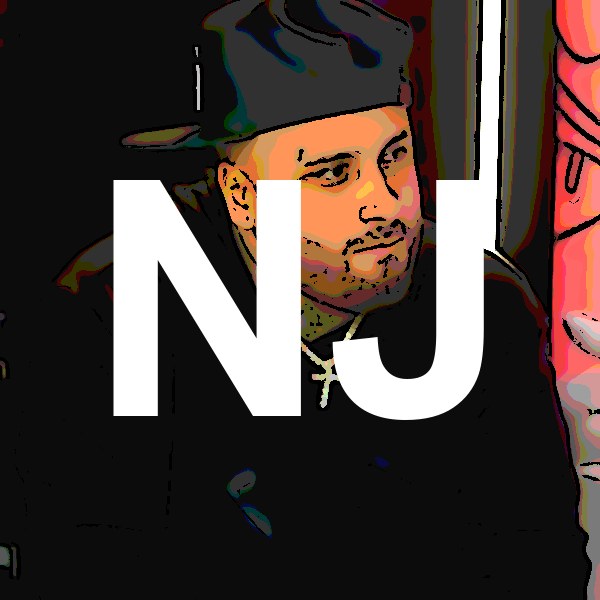
NICKY JAM
Puerto Rican and Dominican (Afro-Caribbean blend)
Quick Facts
▶ Watch
Nicky Jam — heritage & background
Nicky Jam Ethnicity, Race & Heritage: Puerto Rican and Dominican Roots
Quick answer: Nicky Jam (Nick Rivera Caminero) is of mixed Latino heritage—half Puerto Rican and half Dominican. Born to a Dominican mother and Puerto Rican father in Lawrence, Massachusetts, he is a second-generation Latino-American who embodies the rich cultural blend of Caribbean heritage. He grew up between Boston and Puerto Rico, deeply influenced by both his Dominican and Puerto Rican roots.
Is Nicky Jam Mixed Race?
Nicky Jam is of mixed Caribbean heritage with roots in both Puerto Rico and the Dominican Republic. While both Puerto Rican and Dominican communities have diverse racial compositions reflecting African, European, and indigenous Taíno heritage, Nicky Jam's identity as a Latino of Caribbean descent is his primary ethnic and cultural identity rather than a racial category.
His background is representative of the broader Caribbean Latino experience, where Puerto Rican and Dominican populations have significant historical, cultural, and family connections. In fact, Puerto Rican-Dominican intermarriage and cultural exchange is quite common, particularly in communities like Lawrence, Massachusetts, where both populations have established significant communities.
Nicky Jam experienced an important transition in his cultural identity at age ten when his family moved from Lawrence to San Juan, Puerto Rico. He initially experienced culture shock, having been raised in English-speaking Boston and never having spoken Spanish before arriving in Puerto Rico. This pivotal moment of reconnecting with his heritage language and culture was transformative for his identity development.
So to answer the most-searched questions directly: Nicky Jam is of Puerto Rican and Dominican descent—a second-generation Latino-American whose Caribbean heritage is central to his identity and artistic career.
What Is Nicky Jam's Ethnicity?
Nicky Jam's ethnicity is Puerto Rican and Dominican, representing the Caribbean Latino heritage of two closely connected island nations. His Puerto Rican father and Dominican mother represent the broader historical, cultural, and geographic connections between these two Caribbean nations.
The Rivera surname, associated with his father's side, is common throughout Puerto Rico and Spanish-speaking Caribbean and Latin American regions. The Caminero surname, from his mother's side, is also common in the Caribbean and Spanish-speaking regions, with particular prevalence in the Dominican Republic.
Puerto Rico and the Dominican Republic share geographical proximity in the Caribbean, similar colonial histories under Spanish rule, and interconnected cultural traditions. Both nations have populations reflecting a blend of Spanish colonial heritage, African heritage (brought through the slave trade), and indigenous Taíno heritage. This creates a rich, complex cultural identity within Caribbean Latino communities.
Nicky Jam's early life in Lawrence, Massachusetts, was part of a significant Puerto Rican and Dominican-American community. Lawrence developed a substantial Latino population in the mid-to-late 20th century, with both Puerto Rican and Dominican immigrants and their descendants establishing communities, institutions, and cultural practices.
His later move to Puerto Rico at age ten connected him more directly with his Caribbean roots and Puerto Rican culture, while his Dominican heritage through his mother remained an important part of his family identity. This dual heritage is reflected in his artistic expression and his sense of cultural belonging.
Father's Side: Puerto Rican Heritage
Nicky Jam's father, Jose Rivera, represents the Puerto Rican side of his heritage. Puerto Rico, a Caribbean island with a population of approximately 3 million, has a rich cultural identity shaped by Spanish colonial history, African diaspora heritage, and indigenous Taíno traditions.
Puerto Rican culture is characterized by strong musical traditions, including salsa, reggaeton, and various forms of tropical music. The island's connection to the United States—with Puerto Rico being a U.S. territory since 1898—has created a unique bicultural context where English and Spanish coexist, and Puerto Rican culture influences and is influenced by American culture.
Jose Rivera would have grown up with Puerto Rican cultural traditions, including family-centered values, Spanish language and Catholic traditions, and musical and artistic expressions rooted in Caribbean culture. The Rivera surname is extremely common in Puerto Rico and throughout the Spanish-speaking world.
The decision of Nicky Jam's family to move to Puerto Rico when he was ten years old reflected an attempt to reconnect their son with his father's cultural heritage and roots. However, the culture shock that Nicky initially experienced—having been raised monolingual in English in Boston—shows the complexity of second-generation immigrant experiences and cultural identity formation.
Mother's Side: Dominican Heritage
Nicky Jam's mother, Isabel Caminero Madera (also referenced as Ysabel Caminero), represents the Dominican side of his heritage. The Dominican Republic, located on the island of Hispaniola alongside Haiti, is another Caribbean nation with its own distinct culture, history, and identity, while sharing many similarities with Puerto Rico.
Dominican culture is equally rich in musical traditions, with merengue and bachata originating on the island. Dominican identity reflects a complex blend of Spanish colonial heritage, African diaspora heritage, and indigenous Taíno heritage, similar to Puerto Rico. However, the Dominican Republic has distinct national characteristics, regional variations within the island, and a unique position in Caribbean geopolitics and culture.
Isabel Caminero Madera would have grown up in the Dominican Republic with Dominican cultural traditions, language, family values, and musical influences. The Caminero surname, while not as universally common as some other Hispanic surnames, has roots in the Caribbean and Spanish-speaking regions.
The role of Nicky Jam's mother in his early life in Lawrence, Massachusetts, connected him to Dominican cultural heritage even while he was growing up in the United States. However, a significant event occurred later in his life: following his increased success and fame in the 2010s, Nicky Jam was reunited with his mother in 2015 in the Dominican Republic, after not seeing her for over twenty years. This reunion represented a profound moment of reconnection with his mother and his Dominican roots.
Grandparents: A Complete Picture
Paternal Grandparents (Rivera Side):
- Paternal Grandfather: Not publicly documented with specific name
- Paternal Grandmother: Not publicly documented with specific name
Maternal Grandparents (Caminero Side):
- Maternal Grandfather: Not publicly documented with specific name
- Maternal Grandmother: Not publicly documented with specific name
While Nicky Jam has not extensively publicized detailed genealogical information about his grandparents, they would have been part of Puerto Rican and Dominican communities, likely born in the mid-20th century during a period of significant Caribbean migration to the United States.
His paternal grandparents on the Rivera side would have established roots in Puerto Rico or potentially migrated to the United States, laying the groundwork for his father Jose Rivera's family in the Boston area. His maternal grandparents on the Caminero side would have been connected to the Dominican Republic and potentially the Dominican diaspora in the United States.
The migration patterns of Caribbean Latino families in the mid-20th century typically involved movement from island nations to major urban centers in the northeastern United States, particularly cities like New York, Boston, Philadelphia, and Newark. Lawrence, Massachusetts, became home to significant Puerto Rican and Dominican communities during this period.
Nicky Jam in Their Own Words on Heritage
Nicky Jam has spoken extensively about how his Puerto Rican and Dominican heritage influenced his music and career. In interviews with Billboard and other major media outlets, he has discussed his dual Caribbean heritage and its significance to reggaeton music and Latin music more broadly.
He has reflected on the impact of moving to Puerto Rico at age ten and the cultural shock of arriving on an island where Spanish was the dominant language, having grown up speaking English in Boston. Despite the initial difficulty, this move became transformative, connecting him to Caribbean culture and setting the stage for his later success in reggaeton.
Nicky Jam has also discussed how his heritage connects him to reggaeton's origins and development in Puerto Rico and the broader Caribbean. As one of the architects of reggaeton alongside artists like Daddy Yankee, he represents a generation that elevated Caribbean-rooted music to global prominence. His music incorporates elements of Dominican and Puerto Rican musical traditions, including merengue, bachata, and reggaeton rhythms.
For insight into Nicky Jam discussing his Puerto Rican and Dominican heritage:
Is Nicky Jam Alive?
Yes, Nicky Jam is alive and actively pursuing his music and business career. As of 2024, he continues to release music, perform internationally, and work as an entrepreneur and television personality. He has expanded his career beyond music into entertainment and business ventures, appearing on television programs and maintaining active engagement with his fan base through social media and live performances.
Visual Family Tree
Nick Rivera Caminero
"Nicky Jam" (b. 1981) (Reggaeton Artist) Lawrence, Massachusetts
Jose Rivera
(Father; Puerto Rican)
[Puerto Rican [Puerto Rican
Grand- Grand- parents] parents]
Isabel/Ysabel Caminero Madera
(Mother; Dominican)
[Dominican [Dominican
Grand- Grand- parents] parents]
Sources
EthniCelebrity Research Team
Ethnicity & Heritage Writers
Our team specialises in researching and documenting the ethnic backgrounds, nationality, and ancestry of public figures — drawing on genealogical records, interviews, and verified biographical sources.