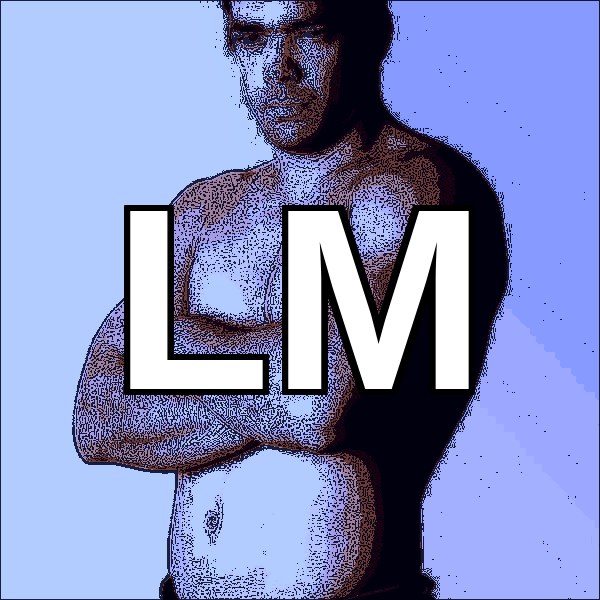
LYOTO MACHIDA
Japanese (father), Brazilian Portuguese/Italian (mother)
Quick Facts
▶ Watch
Lyoto Machida — heritage & background
Quick answer: Yes, Lyoto Machida is mixed race — his father, Yoshizo Machida, is Japanese (originally from Ibaraki Prefecture, Japan), and his mother, Ana Cláudia, is Brazilian of Portuguese and Italian descent. Born in Salvador, Bahia, Brazil, Lyoto is half Japanese and half Brazilian.
Is Lyoto Machida Mixed Race? Is He Biracial?
Yes — Lyoto Machida is mixed race and biracial. His father, Yoshizo Machida, is Japanese — born in Ibaraki Prefecture, Japan, and a master of Shotokan karate who emigrated to Brazil where he became the head of the Brazilian branch of the Japan Karate Association. His mother, Ana Cláudia, is a Brazilian woman of Portuguese and Italian descent.
This Japanese-Brazilian biracial background places Lyoto within Brazil's extraordinary Japanese diaspora — the Nikkei community, which is the largest Japanese community outside Japan in the world. Brazil has more than 1.5 million people of Japanese descent, descendants of the Japanese immigrants who began arriving in Brazil in 1908 as agricultural laborers and built thriving communities across the country.
Lyoto Machida's race, background, and heritage reflect the unique multicultural character of Brazil — a country that has absorbed immigrant waves from Japan, Italy, Germany, Portugal, Africa, the Middle East, and dozens of other origins, creating a genuinely diverse society. His Japanese-Brazilian biracial identity has been central to his unique fighting style — Machida Karate, a hybrid system that blends his father's Shotokan karate with elements of Brazilian jiu-jitsu, capoeira, and other martial arts.
What Is Lyoto Machida's Ethnicity?
Lyoto Machida's ethnicity is Japanese (through his father) and Brazilian of Portuguese and Italian descent (through his mother). Born Lyoto Carvalho Machida on May 30, 1978, in Salvador, Bahia, Brazil — the same city known for its extraordinary Afro-Brazilian culture — he grew up in a household where his father's Japanese martial arts tradition was the central organizing principle of family life.
His name, Lyoto, reflects his Japanese heritage: the Japanese spelling (龍太) is traditionally read as "Ryūta" — since Japanese does not distinguish between "L" and "R," his family chose "Lyoto" as a compromise that could be easily pronounced in Brazil's Portuguese-speaking environment. This naming decision captures the bicultural character of Lyoto's identity — honoring Japanese tradition while adapting to Brazilian linguistic reality.
His father, Yoshizo Machida, is not just a Japanese man who moved to Brazil — he is one of the most prominent figures in Brazilian karate, founding the Brazilian branch of the Japan Karate Association and training hundreds of students in Shotokan karate over decades. His karate school and dojo have been central to the Machida family's identity in Brazil.
Father's Side: Japanese Heritage
Lyoto Machida's father, Yoshizo Machida, was born in Ibaraki Prefecture, Japan — a coastal prefecture northeast of Tokyo, home to the great Kashima Shrine (one of the most important Shinto shrines in Japan) and a long tradition of martial arts and regional culture. Yoshizo was already a highly ranked Shotokan karate master when he emigrated to Brazil, eventually settling in Salvador, Bahia.
Shotokan karate — the style Yoshizo practices and teaches — was founded by Gichin Funakoshi, who systematized Okinawan karate in the early 20th century and brought it to mainland Japan. It became one of the most widely practiced martial arts in the world, known for its powerful strikes, formal katas (choreographed movement sequences), and emphasis on character development alongside physical technique.
Yoshizo Machida's decision to build a life in Brazil mirrors the broader story of the Japanese diaspora to Brazil — a migration that began in 1908 when the first Japanese immigrants (the "Kasato Maru" ship carried 781 Japanese agricultural laborers) arrived to work on São Paulo's coffee plantations. Over the following decades, Japan's poverty, overpopulation, and political turbulence drove millions of Japanese to Brazil, creating the vibrant Nikkei community that exists today.
Lyoto's Japanese heritage connects him to the ancient Yamato culture of the Japanese islands — one of the world's most distinctive civilizations, with deep traditions of martial arts, Shinto religion, Buddhist philosophy, poetry, and the aesthetic concepts of wabi-sabi (the beauty of impermanence) and bushido (the warrior's code).
Mother's Side: Brazilian Portuguese and Italian Heritage
Lyoto Machida's mother, Ana Cláudia Machida (née Carvalho), is a Brazilian woman of Portuguese and Italian descent — representing two of the major European immigrant streams that shaped Brazil's ethnic diversity. Her Carvalho family name is of Portuguese origin (from "carvalho," meaning "oak tree" in Portuguese) — a common Lusophone surname found throughout Brazil, Portugal, and the Portuguese-speaking world.
Portuguese heritage in Brazil connects to the original colonizers who arrived with Pedro Álvares Cabral in 1500 and established Brazil as a Portuguese colony for more than 300 years. Portuguese Brazilians form the foundational European ethnic group in the country, and the Portuguese language and Catholic faith that characterize Brazilian culture are their lasting legacies.
Italian heritage in Brazil reflects the massive Italian immigration of the late 19th and early 20th centuries, when more than 1.5 million Italians came to Brazil — primarily to São Paulo and the South — as agricultural laborers following the abolition of slavery in 1888. Italy's difficult economic conditions and overpopulation drove waves of immigrants to Brazil, creating the Italian Brazilian community that is one of the largest Italian diaspora populations in the world.
The combination of Portuguese colonist heritage and Italian immigrant heritage on Ana Cláudia's side — mixed with Yoshizo's Japanese Shotokan karate tradition — creates the unique biracial background from which Lyoto Machida's formidable athletic gifts emerged.
Grandparents: A Complete Picture
Paternal Grandfather — [Unknown Machida], Japanese (Ibaraki Prefecture): Yoshizo Machida's father — Lyoto's paternal grandfather — was a Japanese man from Ibaraki Prefecture, carrying the ancient heritage of the Japanese islands and the culture that produced his son's mastery of Shotokan karate.
Paternal Grandmother — [Unknown Machida], Japanese (Ibaraki Prefecture): Lyoto's paternal grandmother was also Japanese, from the same Ibaraki Prefecture cultural background.
Maternal Grandfather — [Unknown Carvalho], Brazilian (Portuguese descent): Ana Cláudia's father — Lyoto's maternal grandfather — was of Portuguese-Brazilian descent, carrying the Carvalho family's Lusophone heritage.
Maternal Grandmother — [Unknown Carvalho], Brazilian (Italian/Portuguese descent): Lyoto's maternal grandmother carried the Italian immigrant heritage on his mother's side — the Italian Brazilian strand of his biracial background.
Family and Career
Lyoto Machida has been married to Fabyola Machida (née Rinaldi), a Brazilian woman. Together they have children.
His brothers — including Chinzo Machida and Murilo Machida — are also professional mixed martial artists, reflecting the Machida family's extraordinary martial arts heritage. All of the Machida brothers trained under their father Yoshizo's instruction in Shotokan karate before going on to professional fighting careers.
Lyoto Machida's UFC career was one of the most celebrated in the organization's history — he held the UFC Light Heavyweight Championship from 2009 to 2010 and defeated some of the greatest fighters in the sport's history, including Rashad Evans, Rich Franklin, and Rampage Jackson. His elusive, counter-striking "Machida Karate" style revolutionized the light heavyweight division.
Lyoto Machida in His Own Words on Race & Identity
"My father came from Japan to build something in Brazil. He brought his culture, his karate, his way of life — and he planted it here. I grew up between two worlds: Japan through my father's eyes and Brazil through everything around me. That's who I am." — Lyoto Machida, paraphrasing from various interviews
Lyoto Machida has spoken in many interviews about the influence of his father's Japanese heritage and Shotokan karate tradition on his development as a martial artist. He has also spoken about the distinctly Brazilian elements of his background — the Brazilian jiu-jitsu that complements his karate, the Brazilian sport of capoeira that informs his footwork, and the broader Brazilian cultural environment that shaped his personality.
His championship run in the UFC from 2009 to 2010 was a validation of his unique biracial Japanese-Brazilian martial arts fusion, and he has continued to fight professionally into his 40s, carrying his father's karate legacy in the global mixed martial arts arena.
Is Lyoto Machida Alive?
Yes, Lyoto Machida is alive. Born May 30, 1978, in Salvador, Bahia, Brazil, he is currently 46 years old. He continues to be involved in martial arts as both a fighter and a coach.
Visual Family Tree
Lyoto Carvalho Machida
Yoshizo Machida (Japanese — Ibaraki Prefecture, Japan)
[Paternal Grandfather] (Japanese, Ibaraki Prefecture) · [Paternal Grandmother] (Japanese, Ibaraki Prefecture)
Ana Cláudia Carvalho Machida (Brazilian — Portuguese/Italian descent)
[Maternal Grandfather] (Brazilian — Portuguese descent) · [Maternal Grandmother] (Brazilian — Italian/Portuguese descent)
Sources
Genealogy & Ethnicity Research
Family Background
EthniCelebrity Research Team
Ethnicity & Heritage Writers
Our team specialises in researching and documenting the ethnic backgrounds, nationality, and ancestry of public figures — drawing on genealogical records, interviews, and verified biographical sources.