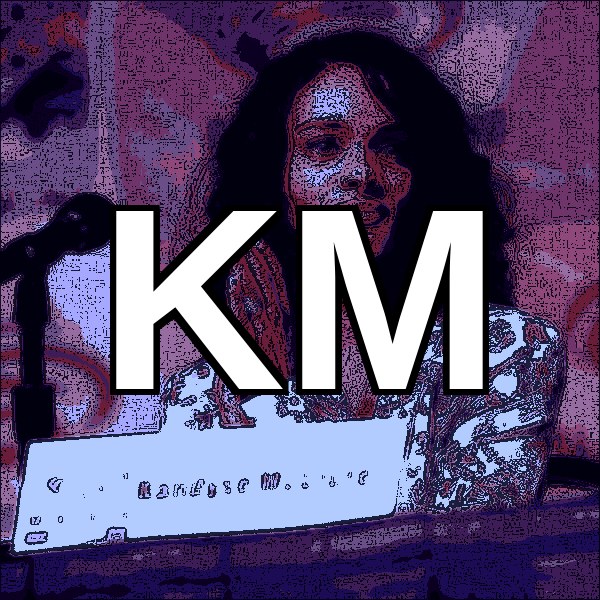
KANDYSE MCCLURE
Cape Coloured (Mixed Black African/European), Afrikaans
Quick Facts
▶ Watch
Kandyse McClure — heritage & background
Quick answer: Yes, Kandyse McClure is mixed race — she is of Cape Coloured heritage (Black African and European ancestry) from South Africa.
Is Kandyse McClure Mixed Race? Is She Biracial?
Yes, Kandyse McClure is definitively mixed race. She is Cape Coloured—a South African designation for mixed-race people of Black African, European, and/or Asian ancestry. Her father is White and her mother is Black, making her a product of interracial partnership during and after apartheid-era South Africa.
Born on December 25, 1978, in Greenwood Park in Durban, South Africa, Kandyse McClure's life reflects both the challenges and resilience of mixed-race families under apartheid and the political significance of mixed-race identity in South African history.
What Is Kandyse McClure's Ethnicity?
Kandyse McClure is Cape Coloured, a complex identity category in South African history. The term "Cape Coloured" historically refers to mixed-race people resulting from unions between European colonizers/settlers and people of African and/or Asian descent. During apartheid, this category occupied a specific (though marginalized) position in the racial hierarchy.
Her ethnicity encompasses Black African heritage (from her mother) and European heritage (from her father). The Cape Coloured identity is distinctly South African, shaped by centuries of colonialism, slavery, and complex race relations on the African continent.
Her first language was Afrikaans, reflecting her background in the Afrikaans-speaking Cape Coloured community. Afrikaans is a language that emerged from Dutch and developed distinctly in South Africa among various populations.
Father's Side: European Heritage
Kandyse McClure's father is Marcel McClure, a White musician. Marcel's White identity and his profession as a musician indicate artistic values and contribution to South African cultural life.
Marcel's decision to marry a Black woman and raise a multiracial family in apartheid-era South Africa represented a bold challenge to the racial segregation laws and cultural norms of the time. Interracial relationships were socially taboo and legally restricted under apartheid.
Marcel's work as a musician connected him to South African artistic traditions and likely exposed his children to music as a cultural value.
Mother's Side: Black South African Heritage
Kandyse McClure's mother is Black South African, working as an educator. Her role as a teacher reflects commitment to education and community development.
More significantly, Kandyse's mother was actively involved in anti-apartheid activities. The family's decision to leave South Africa and seek political asylum in Canada resulted directly from her mother's anti-apartheid activism—activism that posed real threats to the family's safety under apartheid's repressive regime.
Kandyse's mother's courage in standing against apartheid despite the dangers represents the strength and moral conviction of Black South African women and anti-apartheid activists.
Apartheid Context and Family Trauma
Kandyse McClure's childhood was shaped by apartheid, South Africa's system of institutionalized racial segregation. As a Cape Coloured child of an interracial family in 1980s South Africa, she occupied a complex and vulnerable position.
Her mother's anti-apartheid activism created direct threats to the family. The government threats became dire enough that Canada granted the family political asylum. This meant Kandyse's family had to flee their home country to escape government persecution—a traumatic displacement experience.
From the age of four, Kandyse moved back and forth between South Africa and Canada. This transnational childhood meant navigating multiple countries, cultures, and educational systems during a formative period of her life.
Growing Up Between Two Nations
Kandyse McClure's upbringing between South Africa and Canada created a unique bicultural experience. South Africa during the 1980s-early 1990s was undergoing political upheaval as apartheid faced increasing international pressure and domestic resistance.
Canada, as a nation that granted political asylum to her family, represented safety and opportunity. Yet her family's ties to South Africa remained, creating ongoing connections to her birthplace.
Growing up between nations meant developing fluency in multiple languages (Afrikaans and English) and navigating distinct cultural contexts. This transnational identity likely influenced her later work as an actress in North American entertainment.
Career and Entertainment Achievement
Kandyse McClure built a successful career as an actress in North American television and film. Her most prominent role was in "Battlestar Galactica," where she played a main character throughout the series.
Her success in entertainment represents her talents as a performer and her ability to establish herself in North American entertainment despite the challenges of immigration and displacement.
Kandyse McClure in Their Own Words
While Kandyse McClure has not extensively publicized interviews specifically focusing on her South African mixed-race identity, her visibility in entertainment as a mixed-race performer contributes to representation of South African diaspora experiences in North American media.
Her immigration story—fleeing apartheid South Africa and rebuilding life in Canada—represents the broader experiences of South African political refugees and diaspora communities.
Is Kandyse McClure Alive?
Yes, Kandyse McClure is alive and continues to work as an actress. Born in 1978, she remains active in television and film projects.
Visual Family Tree
KANDYSE MCCLURE (1978)
MARCEL MCCLURE
(White, Musician)
EUR
EUR
EUR EUR AAF
BLACK SA MOTHER
(Educator, Anti-apartheid)
AAF
AAF AAF
(EUR = European/White heritage from father)
(AAF = African/Black heritage from mother)
Sources
EthniCelebrity Research Team
Ethnicity & Heritage Writers
Our team specialises in researching and documenting the ethnic backgrounds, nationality, and ancestry of public figures — drawing on genealogical records, interviews, and verified biographical sources.