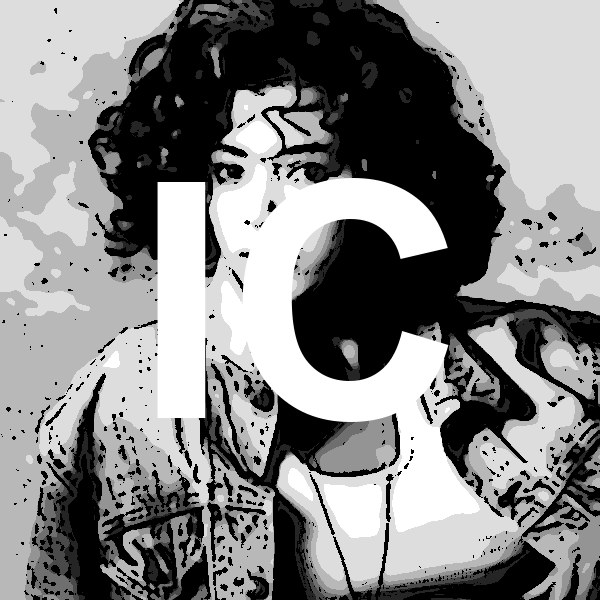
IRENE CARA
Cuban (Afro-Cuban/Spanish), Puerto Rican, African-American
Quick Facts
▶ Watch
Irene Cara — heritage & background
Irene Cara Ethnicity, Race & Heritage: Is She Mixed Race? Full Background Explained
Quick answer: Yes, Irene Cara was mixed race — she was of Cuban (Afro-Cuban/Spanish) heritage on her father's side and African-American/Puerto Rican heritage on her mother's side, born and raised in the Bronx, New York. She was a Latina Black woman who celebrated her Afro-Caribbean and African-American roots throughout her life and career.
Is Irene Cara Mixed Race? Is She Biracial?
Yes — Irene Cara was mixed race. Her father was of Cuban heritage (encompassing Afro-Cuban and Spanish roots), while her mother was of Puerto Rican and African-American descent. This combination made her a woman of mixed Afro-Caribbean, Latina, and African-American heritage.
Irene Cara's appearance — a warm medium-brown complexion, curly hair, and features reflecting her Afro-Caribbean and African-American heritage — was the face of one of pop music's most beloved voices of the 1980s. She was proud of her mixed Caribbean and Black heritage, and it informed the passionate, soulful quality of her performances.
So to answer the most-searched questions directly: Irene Cara's race was Black/Latina — specifically Afro-Latina. Her background was Cuban and Puerto Rican on both sides. Her heritage was a beautiful blend of Afro-Caribbean and African-American roots, with Spanish colonial ancestry woven in. She was mixed in the sense that she carried both Black Caribbean and Latina identities simultaneously.
What Is Irene Cara's Ethnicity?
Irene Cara's ethnicity was Afro-Cuban, Puerto Rican, and African-American — a rich blend of the Caribbean and African diasporas that is particularly associated with New York City's Bronx community. Born on March 18, 1959, she grew up in the South Bronx during its most vibrant and difficult era, surrounded by the Latin soul, salsa, and R&B music that would define her artistic voice.
The Bronx in the 1960s and 1970s was a crucible of Cuban, Puerto Rican, Dominican, and African-American culture — and Irene Cara was a product of this extraordinary cultural milieu. Her first language was Spanish (she was bilingual), and she grew up steeped in both Cuban and Puerto Rican cultural traditions alongside African-American musical influences.
She rose to fame through her iconic performances in the 1980 film Fame (playing Coco Hernandez) and with the Academy Award-winning song "Flashdance...What a Feeling" (1983), which won her the Oscar for Best Original Song. Both roles showcased her extraordinary vocal talent and her ability to convey raw emotional authenticity — qualities deeply rooted in her Afro-Caribbean heritage.
Father's Side: Cuban (Afro-Cuban/Spanish) Heritage
Irene Cara's father, Gaspar Cara Escalera (also known as Gaspar Cara), was of Cuban descent — specifically of Afro-Cuban and Spanish heritage, which is the most common ethnic mix among Cubans. Cuba's population is largely the product of centuries of Spanish colonization and the transatlantic slave trade, with Afro-Cuban culture being central to the island's identity.
Gaspar Escalera worked in the music business, which gave Irene her earliest exposure to the entertainment industry. His Cuban heritage brought the sounds and rhythms of Cuban music — son, rumba, bolero, mambo — into the family home, and these influences are audible in Irene's vocal style and musicality.
The Escalera surname is Spanish, suggesting the Spanish colonial heritage embedded in Irene's paternal line. Many Afro-Cubans carry Spanish surnames because those were the surnames imposed on enslaved African people by their Spanish colonial enslavers — a practice that gives Cuba's Afro-Cuban population Spanish family names while their African cultural heritage is preserved in music, religion (Santería), and tradition.
Mother's Side: Puerto Rican and African-American Heritage
Irene Cara's mother, Louise Cara, was of Puerto Rican and African-American descent. Puerto Rican heritage is itself a mix of Spanish, West African (through the slave trade), and Indigenous Taíno roots, making Louise's background a multilayered combination of Caribbean and African-American influences.
Growing up in the Bronx with a Puerto Rican mother added another layer of Afro-Caribbean identity to Irene's upbringing. Puerto Rican culture — with its vibrant music (plena, bomba, salsa), food, family traditions, and community ties — was central to the Cara household alongside the Cuban heritage from her father's side.
Louise Cara was a key figure in nurturing Irene's talent from a young age. Irene began performing as a child, appearing in Broadway productions and television commercials in the 1960s before she was ten years old — a trajectory that her mother helped facilitate.
Grandparents: A Complete Picture
Paternal Grandfather — [Unknown Escalera] — Cuban/Afro-Cuban descent: Irene's paternal grandfather was of Cuban descent, bearing the Spanish surname Escalera. His heritage encompasses the Spanish colonial and West African ancestries that define Afro-Cuban identity.
Paternal Grandmother — [Unknown Cara] — Cuban descent: Irene's paternal grandmother was also of Cuban heritage. Together, her paternal grandparents grounded her in the Afro-Cuban cultural tradition.
Maternal Grandfather — [Unknown] — Puerto Rican or African-American descent: Irene's maternal grandfather was of Puerto Rican or African-American descent, contributing the Boricua or Black American thread to her heritage.
Maternal Grandmother — [Unknown] — Puerto Rican or African-American descent: Irene's maternal grandmother completes the Puerto Rican/African-American dimension of her heritage, giving her a strong connection to both communities.
Spouse's Ethnicity & Heritage
Irene Cara married stuntman and actor Conrad E. Palmisano on August 16, 1986. Palmisano is of Italian-American descent. Their marriage ended in divorce in 1991. They did not have children together.
Irene Cara in Her Own Words on Race & Identity
Irene Cara spoke about her Afro-Latino heritage and identity throughout her career:
"I come from the Bronx, and the Bronx is a very specific world — it's Black and Latino and there's no separation. That's who I am. I'm Cuban and Puerto Rican and Black American, and all of that is in my music." — Irene Cara, paraphrased from various interviews, 1980s
Her identity as an Afro-Latina — a woman who was simultaneously Black, Cuban, and Puerto Rican — was central to how she understood herself, and it was reflected in the roles she chose and the music she created.
Is Irene Cara Alive?
No, Irene Cara passed away on November 25, 2022. She was 63 years old. Her cause of death was listed as hypertensive arteriosclerotic cardiovascular disease. The news of her death was announced by her publicist Judith A. Moose, who confirmed that Cara had been found deceased at her home in Florida. Her passing was mourned worldwide, as she was one of the most beloved musical artists of the 1980s. Her legacy includes the iconic songs "Fame" and "Flashdance...What a Feeling," and she remains one of the great Afro-Latina voices in American music history.
Visual Family Tree
Irene Cara Escalera
(Cuban/Puerto Rican/African-American)
Gaspar Cara Escalera
(Cuban; Afro-Cuban/ Spanish descent)
[Unknown]
[Unknown]
Louise Cara
(Puerto Rican/ African-American)
[Unknown]
(Puerto Rican/ African-Amer.) Mat. GF
[Unknown]
(African- American/ Puerto Rican) Mat. GM
Sources
Genealogy & Ethnicity Research
- EthniCelebs.com: Irene Cara — https://ethnicelebs.com/irene-cara
- Wikipedia: Irene Cara — https://en.wikipedia.org/wiki/Irene_Cara
Interviews & Direct Quotes
- Rolling Stone: Irene Cara obituary — https://www.rollingstone.com
- The Guardian: Irene Cara — Fame and legacy — https://www.theguardian.com
TV Segments & Video
- YouTube: Irene Cara — Fame performance (1980) — https://www.youtube.com/watch?v=GLvohMXgcBo
- YouTub
EthniCelebrity Research Team
Ethnicity & Heritage Writers
Our team specialises in researching and documenting the ethnic backgrounds, nationality, and ancestry of public figures — drawing on genealogical records, interviews, and verified biographical sources.