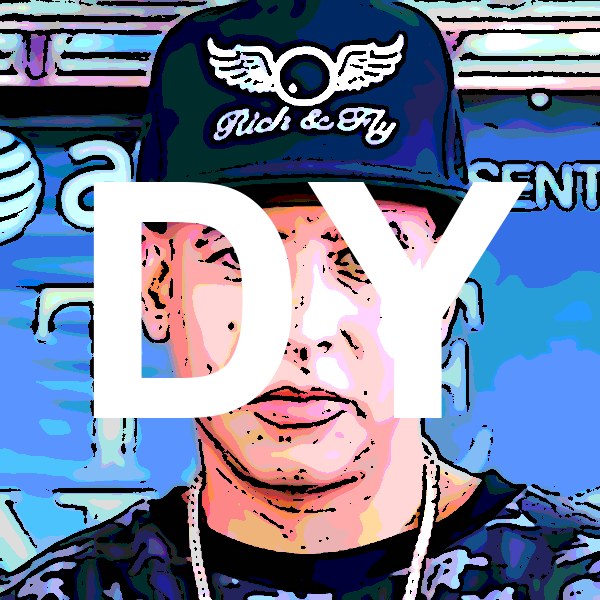
DADDY YANKEE
Puerto Rican — Spanish, African, and Taíno heritage
Quick Facts
▶ Watch
Daddy Yankee — heritage & background
Daddy Yankee Ethnicity, Race & Heritage: What Is His Background?
Quick answer: Daddy Yankee is Puerto Rican — born and raised in San Juan, Puerto Rico, to Puerto Rican parents. Like the vast majority of Puerto Ricans, he carries a triracial heritage: Spanish (European), African (from the trans-Atlantic slave trade), and indigenous Taíno (the pre-Columbian people of the Caribbean). He is not mixed race in any multicultural sense beyond the blended Afro-Caribbean-Indigenous-Spanish identity that defines Puerto Rican heritage at large.
What Is Daddy Yankee's Ethnicity?
Daddy Yankee is Puerto Rican, with the characteristic triracial heritage that defines Puerto Rican identity — a blend of Spanish colonial, West African, and indigenous Taíno ancestry.
Puerto Rican ethnicity is not a single-origin lineage but a centuries-long fusion: Spanish settlers arrived beginning in 1493, intermarrying with the island's indigenous Taíno population; West African enslaved people were brought to the island in large numbers from the 16th through the 19th centuries, forming one of the most significant strands of Puerto Rican genetic and cultural heritage. By the 20th century, the Puerto Rican population had become one of the most genomically diverse in the Americas — a fact confirmed by large-scale genetic studies showing that the average Puerto Rican genome is approximately 63.7% European (primarily Spanish), 21.2% West African, and 12.4% indigenous (Taíno and Arawak).
Daddy Yankee's own appearance — brown skin, curly hair, distinctive Caribbean features — reflects this Afro-Caribbean-Spanish blend that characterizes the Puerto Rican Boricua identity. He has always been unequivocally proud of his Puerto Rican roots, describing himself as a product of the housing projects of San Juan and the musical traditions of the island.
Father's Side: Puerto Rican Musical Heritage
Daddy Yankee's father, Ramón Ayala (not to be confused with the Mexican accordion legend of the same name), was a Puerto Rican salsa percussionist — a bongosero — who played professionally in the music world of San Juan. His father's immersion in Afro-Caribbean musical traditions exposed Daddy Yankee from birth to the rhythms that would become the foundation of reggaeton: salsa, bomba, plena, and the Caribbean percussion heritage rooted in West African musical traditions.
Growing up in a household where music was the family trade, Daddy Yankee absorbed the sonic world of Puerto Rico at the most formative level. His father's bongo playing connected him directly to the African-derived polyrhythmic traditions that define not just salsa but the entire Afro-Caribbean musical continuum.
The Ayala family's Puerto Rican roots go back generations in the island. Genealogical records note that Daddy Yankee's paternal grandmother was Altagracia Class y Aponte — a surname combination that reflects the long-established Puerto Rican family names descended from Spanish colonists and the blended multiracial population that developed under Spanish rule.
Mother's Side: Puerto Rican Heritage
Daddy Yankee's mother, Rosa Rodríguez, is also Puerto Rican and comes from a family with a deep musical heritage. Rosa worked as a manicurist but came from a line of musicians — which, combined with his father's professional musical career, means Daddy Yankee was essentially born into Puerto Rico's musical tradition from both sides of his family.
The Rodríguez surname is one of the most common surnames in Puerto Rico and across the Spanish-speaking world, reflecting the dominant Spanish colonial heritage that runs through the island's family names. Rosa Rodríguez's background is consistent with the mainstream Puerto Rican demographic mix: Spanish heritage, African heritage, and indigenous Taíno heritage, blended over five centuries of island history.
Growing Up in Villa Kennedy: Class, Culture & Identity
To understand Daddy Yankee's ethnicity and identity, it is essential to understand his neighborhood. He grew up in Villa Kennedy, one of San Juan's public housing projects (caseríos) — the same urban Puerto Rican environment that gave birth to reggaeton as a musical form in the early 1990s.
The caseríos of San Juan were the crucibles of Puerto Rican street culture: communities of working-class and poor Puerto Ricans — predominantly Afro-Puerto Rican and mixed-race — who fused the Caribbean's musical heritage with hip-hop and dancehall influences coming from New York and Jamaica. Reggaeton, which Daddy Yankee helped bring to global prominence, is literally the sound of this Afro-Caribbean Puerto Rican identity — the dembow rhythm (derived from Jamaican dancehall), layered over Spanish rap and Caribbean percussion.
Daddy Yankee did not just come from Puerto Rico — he came from the specific Puerto Rican experience of the caserío, which makes his heritage not just genetically Puerto Rican but culturally Afro-Caribbean in the deepest sense.
Grandparents: A Complete Picture
Paternal Grandmother — Altagracia Class y Aponte: Puerto Rican. The compound surnames "Class" and "Aponte" reflect established Puerto Rican family names with Spanish colonial origins. Her background represents the blended Spanish-African-Taíno heritage that defines the island's genealogy.
Paternal Grandfather — [Unknown] Ayala: Puerto Rican. The Ayala surname is of Spanish origin, common throughout Puerto Rico and the Spanish-speaking Caribbean.
Maternal Grandparents — [Unknown] Rodríguez family: Puerto Rican musicians. Daddy Yankee's maternal grandparents came from a family of musicians, suggesting a deep cultural tradition that passed through Rosa Rodríguez to her son. Their specific names have not been publicly documented.
Wife's Ethnicity
Daddy Yankee married Mireddys González in 1994, when both were just seventeen years old. Mireddys González is Puerto Rican — born in Puerto Rico and raised in the same cultural environment as her husband. She is of Puerto Rican heritage, sharing the same Spanish-African-Taíno blend that defines most Puerto Rican families.
Mireddys has been a central figure in Daddy Yankee's career beyond her role as his wife: she has served as CEO of El Cartel Records, his record label, since 2001. In 2023, Daddy Yankee announced his separation from Mireddys after nearly three decades of marriage, citing personal reasons alongside his spiritual transformation.
Their three children — Yamilette, Jeremy, and Jesaaelys — are all Puerto Rican, continuing the Afro-Caribbean heritage of both their parents.
Daddy Yankee in His Own Words on Puerto Rican Identity
Daddy Yankee has spoken passionately about his Puerto Rican identity throughout his career, and his connection to the island has manifested in concrete acts of solidarity. After Hurricane Maria devastated Puerto Rico in September 2017, he immediately organized relief efforts, donating supplies and personally visiting communities in need. In multiple interviews around that time, he said:
"I'm from the projects. I know what it means to not have anything. Puerto Rico will rise."
— Daddy Yankee, paraphrased from multiple post-Hurricane Maria interviews, 2017
This sense of identity — rooted in the Puerto Rican caserío, in working-class Boricua culture, and in a fierce pride in the island — runs through everything Daddy Yankee has said about himself. When he announced his retirement from reggaeton in 2022 to devote himself to his Christian faith, he did so in Puerto Rico, at a stadium show in San Juan, explicitly framing his career as a service to his people and his island.
Is Daddy Yankee Alive?
Yes, Daddy Yankee is alive. As of 2025, he is 48 years old. He retired from the music industry in 2022 following his "La Última Vuelta" farewell tour, announcing he would dedicate his life to his Christian faith. He has changed his public name to Ramón Ayala, his given name, signaling the end of the Daddy Yankee persona. He is widely regarded as the "King of Reggaeton" and one of the most influential Latin music artists of all time.
Visual Family Tree
Daddy Yankee
(Puerto Rican)
Father
Ramón Ayala (Puerto Rican bongosero/ percussionist)
[Unknown] Altagracia
Ayala Class y (Puerto Aponte Rican) (Puerto Rican)
[Unknown]
Mother
Rosa Rodríguez (Puerto Rican, family of musicians)
[Unknown]
Sources
Interviews & Direct Quotes
- Biography.com, "Daddy Yankee" — https://www.biography.com/musicians/daddy-yankee
- Library of Congress, "Honoring Our Hispanic Heritage: A Look at Daddy Yankee's 'Gasolina'" — https://blogs.loc.gov/now-see-hear/2024/09/gasolina/
TV Segments & Video
- YouTube: "Daddy Yankee on Helping Puerto Rico" — https://www.youtube.com/watch?v=qLU2YO2VM2E
Genealogy & Ethnicity Research
- EthniCelebs.com, "Daddy Yankee" — https://e
EthniCelebrity Research Team
Ethnicity & Heritage Writers
Our team specialises in researching and documenting the ethnic backgrounds, nationality, and ancestry of public figures — drawing on genealogical records, interviews, and verified biographical sources.