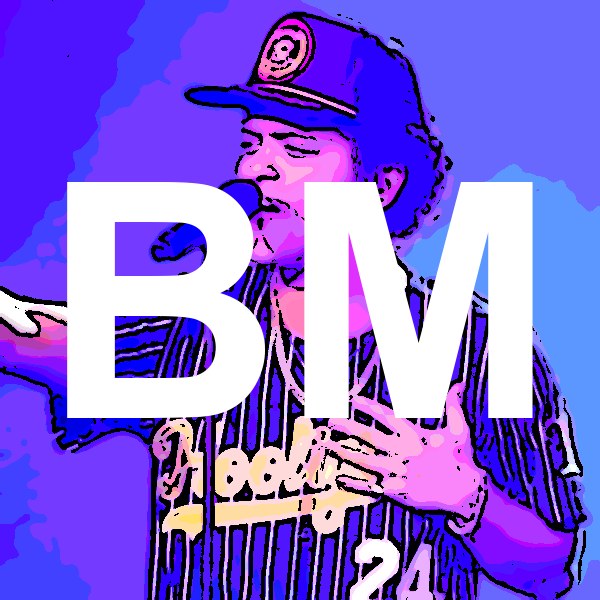
BRUNO MARS
Filipino, Spanish, Puerto Rican, Ashkenazi Jewish
Quick Facts
▶ Watch
Bruno Mars — heritage & background
Bruno Mars Ethnicity, Race & Heritage: A Multicultural Icon
Quick answer: Bruno Mars is of mixed ethnicity—Filipino, Spanish, Puerto Rican, and Ashkenazi Jewish. His mother, Bernadette San Pedro Bayot, was Filipino and Spanish, while his father, Peter Hernandez, is Puerto Rican and Ashkenazi Jewish (with roots in Hungary and Ukraine). This diverse heritage has deeply influenced his music and artistic identity throughout his career.
Is Bruno Mars Mixed Race?
Yes, Bruno Mars is definitively mixed race. His heritage encompasses multiple ethnic backgrounds across both parents. His father, Peter Hernandez Sr., carries Puerto Rican ancestry from his father and Ashkenazi Jewish ancestry from his mother, a Hungarian and Ukrainian Jewish immigrant who came to America through Galveston, Texas. His mother, Bernadette San Pedro Bayot, was born in the Philippines and brought Filipino and Spanish heritage to the family. This multiethnic composition makes Bruno Mars a powerful example of cultural diversity in modern music. Growing up in Honolulu, Hawaii—itself a multicultural hub—Bruno was immersed in this blended heritage from childhood. His family's musical background, with both parents working as performers, meant that his mixed cultural identity was expressed through music and artistic tradition. The combination of Caribbean, Jewish, and Southeast Asian influences created a unique cultural landscape in his household. So to answer the most-searched questions directly: Bruno Mars is mixed race, with significant Filipino, Puerto Rican, Spanish, and Jewish ancestry that has shaped his identity and creative expression.
What Is Bruno Mars' Ethnicity?
Bruno Mars' ethnicity is a rich tapestry woven from multiple continents and cultures. His father's side brings both Caribbean and Eastern European Jewish heritage, while his mother's side originates from Southeast Asia and Spain. The Puerto Rican heritage through his father connects Bruno to centuries of Caribbean history, blending indigenous Taíno, Spanish colonial, and African diaspora influences. The Ashkenazi Jewish heritage through his paternal grandmother represents Central and Eastern European Jewish tradition, with ancestral roots tracing back to Hungary and Ukraine. His mother's Filipino heritage introduces Southeast Asian influences, reflected in the warmth and community-oriented values of Filipino culture. The Spanish ancestry on his mother's side reflects the colonial history of the Philippines as a Spanish colony for over 300 years. This convergence of cultures—Puerto Rican, Jewish, Filipino, and Spanish—creates a uniquely diverse ethnic identity. Bruno has spoken in interviews about embracing all aspects of his heritage, recognizing that this multicultural background is integral to who he is as an artist and person. The blend of these cultures is evident not only in his music but also in his values and his approach to family and community.
Paternal Side: Puerto Rican and Ashkenazi Jewish Heritage
Bruno's father, Peter Hernandez Sr., represents a fascinating blend of Caribbean and Jewish cultures. The Puerto Rican side of the family carries deep roots in Caribbean history, shaped by indigenous, Spanish, and African influences. The Hernandez surname itself has Spanish origins, common throughout the Caribbean due to centuries of Spanish colonization. On the Jewish side, Bruno's paternal grandmother was a Hungarian and Ukrainian Ashkenazi Jewish immigrant who came to America through the unusual Galveston Movement—a program that brought Jewish immigrants to Texas rather than through the traditional Ellis Island route. This grandmother's heritage traces back to Central and Eastern European Jewish communities with rich traditions in Hebrew scholarship and religious learning. Peter Hernandez Sr. grew up navigating both his Puerto Rican cultural identity and his Jewish heritage, ultimately meeting Bruno's mother while performing music in Hawaii. The combination of these two cultural traditions—Puerto Rican warmth and musical expression alongside Jewish intellectual and spiritual traditions—shaped Peter's parenting approach and influenced Bruno's childhood environment.
Maternal Side: Filipino and Spanish Heritage
Bruno's mother, Bernadette San Pedro Bayot, brought Filipino and Spanish ancestry to the family, having been born and raised in the Philippines before immigrating to Hawaii. The San Pedro surname reflects Spanish influence in the Philippines, a legacy of over 300 years of Spanish colonial rule that ended in 1898. Bernadette embodied Filipino values of close family bonds, hospitality, and musical expression—she was a professional dancer and singer before meeting Peter Hernandez. Filipino culture, shaped by Austronesian indigenous roots, Spanish Catholic traditions, and significant American influences, is known for its warmth, resilience, and strong sense of community. Bernadette's Spanish heritage connects to the broader Spanish influence in the Philippines, where the language, religion, and cultural practices were deeply impacted by colonial history. Her professional background in performance meant that Bruno grew up in an environment saturated with music, dance, and artistic expression. Bernadette passed away on June 2, 2013, from a brain aneurysm at age 55, a profound loss that deeply affected Bruno and his family. Her legacy lives on through Bruno's artistic talents and his dedication to his craft.
Grandparents: A Complete Picture
Paternal Grandparents:
- Grandfather: Peter Hernandez (Puerto Rican)
- Grandmother: Bernadette Hernandez (née Shayne or similar; Hungarian/Ukrainian Ashkenazi Jewish immigrant)
Maternal Grandparents:
- Grandfather: San Pedro (Filipino, Spanish heritage)
- Grandmother: Information about maternal grandmother not widely documented; Filipino heritage confirmed
Bruno's four grandparents collectively represent four distinct cultural backgrounds: Puerto Rican, Ashkenazi Jewish (Hungarian/Ukrainian), and Filipino (with Spanish colonial influences). The paternal grandmother's journey through the Galveston Movement represents a unique chapter in American Jewish immigration history. The maternal grandparents' roots in the Philippines connect Bruno to Southeast Asian heritage and the complex colonial history of that nation.
Bruno Mars in Their Own Words on Heritage
Bruno Mars has spoken about his multicultural background in various interviews and performances. While there isn't extensive public documentation of him directly discussing his Jewish heritage in detail, he has acknowledged his Filipino and Puerto Rican roots as central to his identity. In interviews, Bruno has expressed pride in his mother's Filipino heritage and often credits his family's musical traditions as foundational to his career.
Is Bruno Mars Alive?
Yes, Bruno Mars is alive. As of 2026, he continues his career as a musician, songwriter, and performer. Born October 8, 1985, he is currently 40 years old and remains active in the music industry, creating new music and maintaining his presence in entertainment and popular culture.
Visual Family Tree
BRUNO MARS
(Peter Gene Hernandez) (born 1985)
Peter Hernandez
(Father; Puerto Rican, Ashkenazi Jewish)
Peter Hernandez Sr.
(Puerto Rican)
Bernadette Hernandez
(Hungarian/Ukrainian Ashkenazi Jewish)
Bernadette San Pedro Bayot
(Mother; Filipino, Spanish)
Maternal Grandparents
(Filipino, Spanish; San Pedro family)
Sources
EthniCelebrity Research Team
Ethnicity & Heritage Writers
Our team specialises in researching and documenting the ethnic backgrounds, nationality, and ancestry of public figures — drawing on genealogical records, interviews, and verified biographical sources.