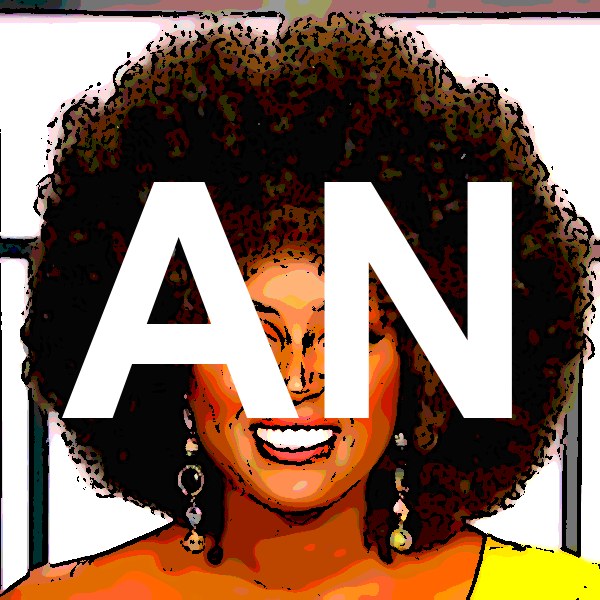
AMARA LA NEGRA
Quick Facts
▶ Watch
Amara La Negra — heritage & background
Amara La Negra's Ethnicity: Afro-Dominican Heritage and Black Latina Identity
Amara La Negra — born Diana Danelys De Los Santos — is a singer, actress, dancer, television host, and one of the most prominent advocates for Afro-Latina visibility in American entertainment. Born on October 4, 1990, in Miami, Florida, to a Dominican immigrant mother, Amara is proudly Afro-Dominican. Her stage name itself — "Amara La Negra," meaning "Amara the Black Woman" — is a declaration of identity, a reclamation of Blackness within Latin culture where anti-Black colorism has long been a painful reality.
Is Amara La Negra Mixed Race?
Amara La Negra is fully of Dominican heritage — both of her parents are from the Dominican Republic. In terms of racial composition, she is Afro-Dominican, meaning she is of African descent within a Latin/Spanish-speaking cultural framework. Like many Dominicans and Latin Americans, her heritage blends African ancestry (brought by the transatlantic slave trade) with Spanish colonial and indigenous Taíno roots. She identifies strongly and publicly as both Black and Latina.
Amara La Negra's Mother: Ana Maria Oleaga
Amara was raised by her mother, Ana Maria Oleaga, a single immigrant woman from the Dominican Republic who came to the United States and raised Diana/Amara in Miami. Ana Maria is the cornerstone of Amara's story — a resilient Dominican immigrant woman who worked hard to support her daughter while encouraging her artistic ambitions from a very young age. Amara began performing at age four, entering beauty pageants and talent competitions with her mother's full support. Their bond has been a defining feature of Amara's public narrative.
Dominican Republic: Afro-Latino Heritage
The Dominican Republic shares the island of Hispaniola with Haiti in the Caribbean. Dominican identity is one of the most complex in the Americas — it is simultaneously a country with deep African roots (through the massive slave trade that brought Africans to work on sugar plantations) and one where anti-Black racism and colorism have historically been woven into the national identity. Many Dominican people of African descent have historically been pressured to reject or downplay their Blackness in favor of "mestizo" or "indio" identity categories that obscure African ancestry. This context makes Amara La Negra's unapologetic celebration of her Afro-Dominican identity a politically and culturally significant act.
Afro-Latina Identity and Colorism
Amara La Negra's rise to prominence was significantly shaped by her appearance on VH1's Love & Hip Hop: Miami, where she engaged in a widely discussed confrontation with a music producer about colorism — the prejudice against darker-skinned individuals within communities of color. Her willingness to name colorism publicly, in both the Black community and the Latin community, brought her message to millions. She has been featured by NPR, Grammys.com, E! Online, and major Latin publications discussing the intersection of Blackness and Latinidad.
Her advocacy centers on a simple but powerful truth: you can be Black and Latina simultaneously. These identities are not mutually exclusive, yet within many Latin communities — and in mainstream American media — Afro-Latinos have been rendered invisible or told to "choose" one identity. Amara has refused to choose.
African Heritage in Dominican Culture
Dominican ancestry reflects the African ethnic groups brought to Hispaniola during the slave trade — primarily from West and Central Africa, including Yoruba, Fon, Wolof, Mandinka, and Bantu peoples. These African ancestors are the direct forebears of Afro-Dominican people like Amara La Negra. The natural hair, features, and skin tones that Amara celebrates are the living legacy of this African heritage.
Miami and Afro-Latino Community
Growing up in Miami placed Amara in one of the most diverse Latin American communities in the United States. Miami's large Dominican, Cuban, Colombian, Venezuelan, and Puerto Rican communities created a vibrant but also complex social environment in which Afro-Latinos like Amara had to navigate multiple layers of identity. Her career emerged from Miami's entertainment scene, which has a long tradition of supporting Latin artists.
Spouse and Personal Life
Amara La Negra is a mother of twin daughters, born in 2021. She has spoken openly about the joys and challenges of motherhood and has incorporated her daughters into her public presence, modeling self-love and cultural pride for them.
Amara La Negra on Her Identity
"I am proud of being Afro-Latina, Latina, Dominicana, Black… as a matter of fact, I'm just proud of being myself."
This statement, widely quoted, captures the heart of her message: pride in a multi-layered identity that mainstream culture has often tried to simplify, suppress, or deny.
Photo and Media Gallery
Amara La Negra performing her music — a celebration of Afro-Latina identity.
Family Tree
Diana Danelys De Los Santos
"Amara La Negra" (Afro-Dominican / Afro-Latina) b. October 4, 1990 Miami, Florida
[African ancestors → Dominican Republic via slave trade]
[Taíno indigenous and Spanish colonial roots]
Ana Maria Oleaga
(Afro-Dominican, from Dominican Republic, immigrated to Miami)
Conclusion
Amara La Negra's ethnicity is Afro-Dominican — a rich, complex heritage that weaves together African, Taíno indigenous, and Spanish colonial roots within one of the Caribbean's most culturally layered nations. Her refusal to diminish either her Blackness or her Latinidad has made her one of the most important voices in contemporary discussions of race, identity, and representation. Her story is a testament to the millions of Afro-Latinos whose African roots have been denied, minimized, or erased — and her visibility is a powerful counter to that erasure.
Sources
- Amara La Negra – Wikipedia
- Amara La Negra Confronts Colorism With Her Afro-Latinidad – NPR
- Amara La Negra Will Keep Talking About Her Afro-Latina Identity Until Things Change – Grammy.com
- [Amara La Negra Explains What Her Afro-Latina Heritage Means to Her
EthniCelebrity Research Team
Ethnicity & Heritage Writers
Our team specialises in researching and documenting the ethnic backgrounds, nationality, and ancestry of public figures — drawing on genealogical records, interviews, and verified biographical sources.