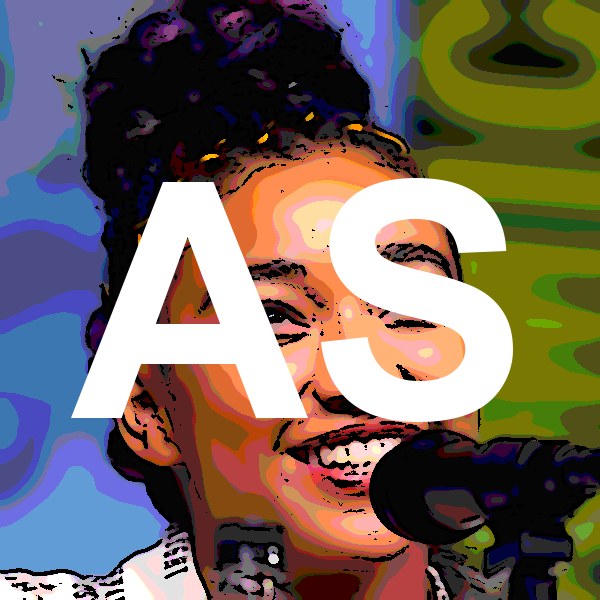
AMANDLA STENBERG
Danish / Greenlandic Inuit (paternal), African American (maternal)
Quick Facts
▶ Watch
Amandla Stenberg — heritage & background
Amandla Stenberg Ethnicity, Race & Heritage: Is She Mixed Race? Full Background Explained
Quick answer: Yes, Amandla Stenberg is mixed race and biracial — their father, Tom Stenberg, is Danish with Greenlandic Inuit ancestry on his mother's side, and their mother, Karen Brailsford, is African American. Born in Los Angeles in 1998, Amandla is one of Hollywood's most outspoken young voices on race, identity, and representation.
Is Amandla Stenberg Mixed Race? Is She Biracial?
Yes — Amandla Stenberg is mixed race and biracial. Their father Tom Stenberg is Danish, with Greenlandic Inuit ancestry on his own mother's side, making him a blend of Northern European and Indigenous Arctic heritage. Their mother Karen Brailsford is African American. This combination makes Amandla a blend of three distinct backgrounds: Black American, Scandinavian Danish, and Greenlandic Inuit Indigenous.
Amandla's appearance — medium brown skin tone, naturally textured hair, and features that reflect both their Black and European-Indigenous heritage — is consistent with their mixed racial background. They have spoken extensively and thoughtfully about their identity throughout their career, becoming one of Hollywood's most prominent advocates for mixed-race and Black identity, as well as for LGBTQ+ representation.
Note: Amandla Stenberg uses they/them pronouns.
So to answer the most-searched questions directly: Amandla Stenberg's race is Black and mixed race. Their background spans African American, Danish, and Greenlandic Inuit heritage. Their heritage is one of the most distinctive of any young actor in Hollywood — combining three cultural worlds. Yes — they are biracial (and multiracial, given the Inuit thread).
What Is Amandla Stenberg's Ethnicity?
Amandla Stenberg's ethnicity is a genuinely rare combination of African American, Danish, and Greenlandic Inuit heritage. This three-way combination — sub-Saharan African roots (through the American African American experience), Northern European Danish roots, and Arctic Indigenous Inuit roots — is about as geographically and culturally diverse as a person's background can be.
The name "Amandla" itself reflects their heritage: it is a Nguni Bantu word meaning "power," widely used as a rallying cry by the African National Congress during the South African anti-apartheid movement. The choice of an African name for a child of Black American and Danish-Inuit heritage reflects their parents' intention to honor the African dimension of Amandla's identity from birth.
Amandla rose to fame as Rue in The Hunger Games (2012), making their first major cultural splash at age 13. They have since grown into one of the most intellectually engaged young actors in Hollywood, using their platform to address issues of race, identity, and social justice.
Father's Side: Danish and Greenlandic Inuit Roots
Amandla's father, Tom Stenberg, is Danish — born and raised in Denmark. His own heritage includes a Greenlandic Inuit mother, making Tom himself a blend of Northern European and Arctic Indigenous ancestry. Greenlandic Inuit people are the Indigenous population of Greenland — a vast Arctic island that is geographically part of North America but politically connected to Denmark. The Inuit people have lived in Greenland for approximately 4,500 years and have a rich cultural tradition of Arctic survival, oral storytelling, and communal life.
Tom Stenberg's mixed Scandinavian-Inuit background adds an extraordinary dimension to Amandla's heritage. Their paternal grandmother was Greenlandic Inuit — meaning that Amandla carries a thread of Indigenous Arctic heritage that is exceedingly rare in American entertainment.
Mother's Side: African American Heritage
Amandla's mother, Karen Brailsford, is an African American spiritual counselor and writer based in Los Angeles. Karen's African American background carries the heritage of the Black American experience: West African ancestry filtered through centuries of American history — slavery, Reconstruction, the Great Migration, and the Civil Rights Movement — forming the distinctively American cultural identity of African Americans.
Karen Brailsford has been a supportive and engaged presence in Amandla's life and career, consistent with the generally warm and communicative family dynamic Amandla has described in interviews. Karen's African American heritage — passed through to Amandla — forms the foundation of Amandla's Black identity, which they have explored and articulated with remarkable sophistication for their age.
Grandparents: A Complete Picture
Paternal Grandfather — [Name not publicly documented]: Danish, of Northern European descent. Part of the Stenberg family's Scandinavian heritage from Denmark.
Paternal Grandmother — [Name not publicly documented]: Greenlandic Inuit, from Greenland. Her Arctic Indigenous heritage is the most distinctive element in Amandla's family tree — a connection to one of the world's oldest Indigenous cultures, living at the northern edge of the habitable world.
Maternal Grandfather — [Name not publicly documented]: African American, part of Karen Brailsford's Black American heritage.
Maternal Grandmother — [Name not publicly documented]: African American, part of the Black American family line that connects Amandla to West African roots filtered through the American experience.
Amandla Stenberg in Their Own Words on Race & Identity
Amandla Stenberg has been extraordinarily vocal and articulate about race, identity, and the complexities of being mixed race in America. Their 2015 school project video "Don't Cash Crop My Cornrows" — a widely shared exploration of cultural appropriation — launched them into mainstream cultural commentary. They have spoken about Black identity, about the intersection of their African American and non-Black heritage, and about the importance of choosing to identify with and center Blackness in their public life.
"Being mixed doesn't mean we are less Black, or that we should remove ourselves from Black spaces. It means we carry more than one world inside us, and we choose how to honour that." — Amandla Stenberg, paraphrased from multiple public statements on identity.
More specifically, in a Teen Vogue essay, Amandla wrote: "I identify as Black because it's the identity I've chosen to embrace most visibly in my life and work. The fact that I also have Danish and Inuit ancestry doesn't diminish that — it adds to who I am."
Is Amandla Stenberg Alive?
Yes, Amandla Stenberg is alive. Born October 23, 1998, they are currently 27 years old. Since their breakthrough in The Hunger Games (2012), they have starred in Everything, Everything (2017), The Hate U Give (2018), Bodies Bodies Bodies (2022), and The Acolyte (2024, as the lead). They remain one of the most prominent young mixed-race voices in American entertainment.
Visual Family Tree
AMANDLA STENBERG
(African American / Danish / Inuit)
Tom Stenberg (Father)
(Danish / Greenlandic Inuit)
[Unknown]
(Danish)
[Unknown]
(Greenlandic Inuit — paternal grandmother)
Karen Brailsford (Mother)
(African American)
[Unknown]
(African American)
[Unknown]
(African American)
Sources
Ethnicity & Heritage
Identity & Race
EthniCelebrity Research Team
Ethnicity & Heritage Writers
Our team specialises in researching and documenting the ethnic backgrounds, nationality, and ancestry of public figures — drawing on genealogical records, interviews, and verified biographical sources.